Rotating Meal Plan for Meal Prep: A 2026 System for Macros, Variety, and Less Dinner Stress
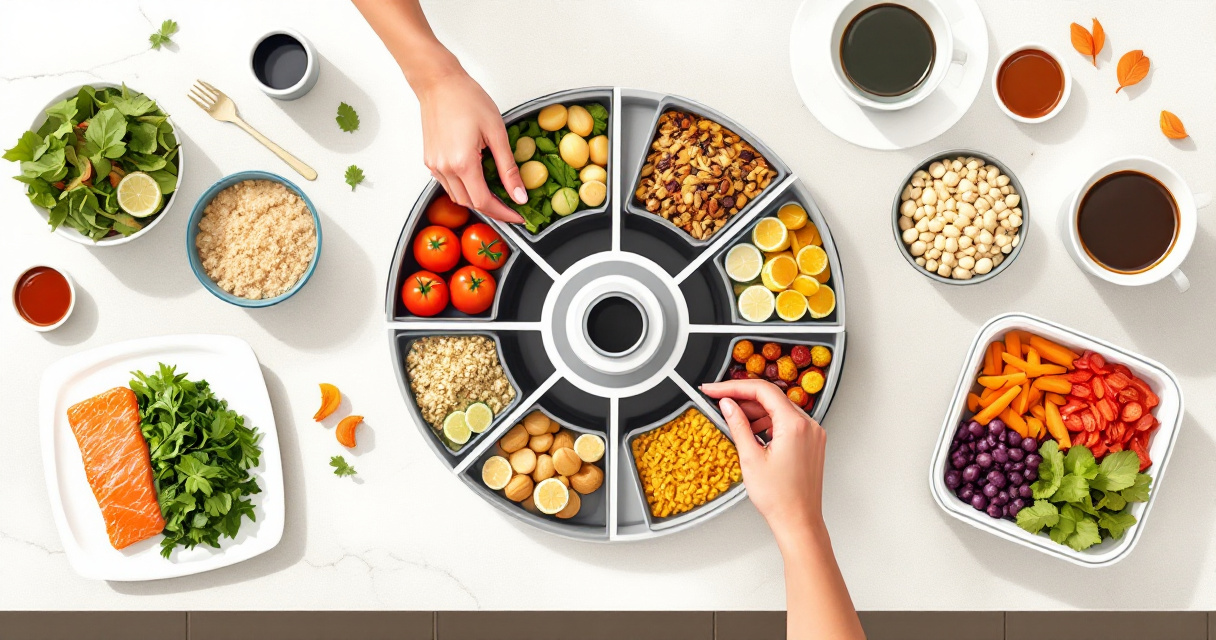
A rotating meal plan for meal prep works because it removes the hardest part of cooking: deciding again and again. Instead of starting from zero every Sunday, you repeat a planned set of meals, swap flavors strategically, and keep your calories, protein, carbs, and fats consistent. Tools like Dinecraft can help turn that system into weekly recipes, USDA-validated nutrition, and aisle-sorted grocery lists.
What is a rotating meal plan for meal prep?
A rotating meal plan for meal prep is a repeating schedule of breakfasts, lunches, dinners, and snacks that cycles every 1, 2, 4, or 12 weeks while preserving variety and nutrition targets.
Rotating meal plan: A planned menu cycle that repeats meals or meal templates on a predictable schedule.
Meal prep: Preparing ingredients, recipes, or full meals ahead of time to make daily eating easier.
Wikipedia defines a meal as a food occasion that happens at a specific time, with meal names varying by culture and time of day. That matters because a good rotation is not only a recipe list. It is a repeatable eating structure for your real breakfast, lunch, dinner, and snack habits.
Key insight: Rotation is not boredom. It is controlled repetition with planned variation.
Competitor articles often focus on busy-family rotations, such as two-week menus or 12-week dinner cycles. That approach is useful, but macro-conscious users need a tighter system: meals should rotate without throwing off calories, protein, carbs, fats, allergens, or prep time.
How do you build a 2-week or 4-week rotating meal plan?
Build a rotating meal plan by choosing repeatable meal slots, assigning protein and carb anchors, adding vegetables, setting macro targets, and rotating sauces or cuisines for variety.
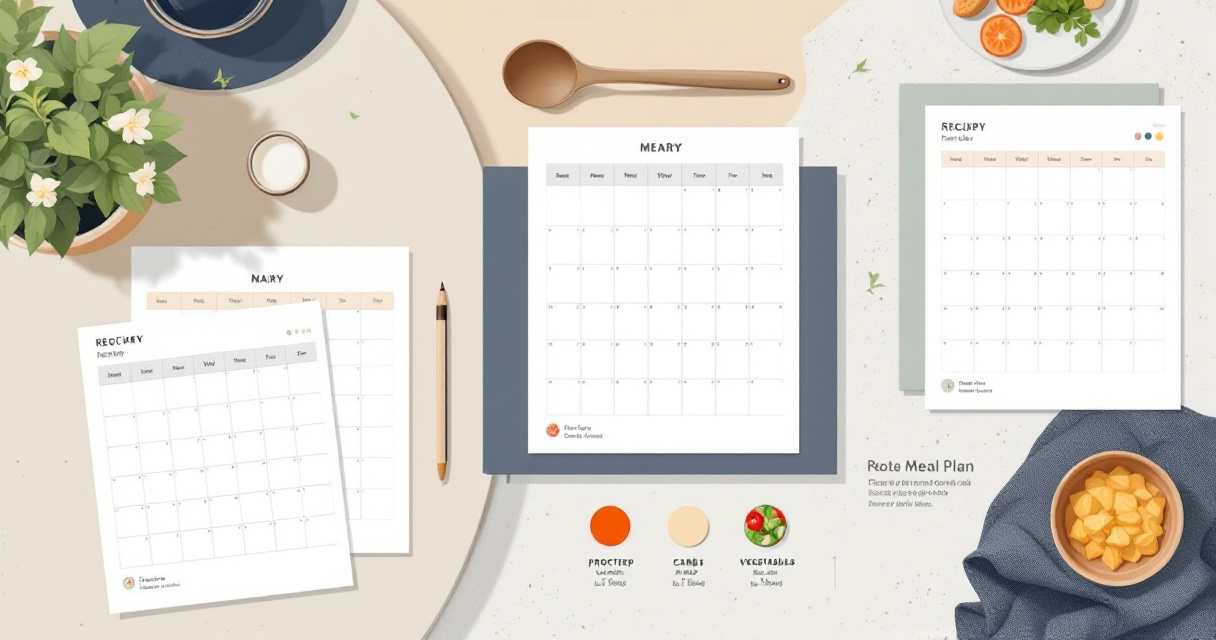
- Pick your cycle length: 2 weeks for simplicity, 4 weeks for more variety.
- Choose 3 to 5 breakfast templates.
- Choose 4 to 8 lunch and dinner templates.
- Assign protein, carb, vegetable, and fat sources to each meal.
- Repeat the structure, but change seasonings, sauces, and produce.
- Batch your shopping list by aisle or store section.
- Review what you actually ate before changing the plan.
A two-week cycle is best if you hate planning and want fewer grocery decisions. A four-week cycle works better for athletes, families with mixed preferences, and anyone who gets bored quickly.
Rotation formats that fit different households
| Rotation style | Best for | How it works | Main tradeoff |
|---|---|---|---|
| 2-week repeat | Busy families, beginners | Repeat 14 days with small flavor swaps | Less variety |
| 4-week cycle | Macro trackers, athletes | Build 28 days from stable templates | More setup time |
| Theme-night plan | Families with picky eaters | Taco night, bowl night, pasta night, sheet-pan night | Can get repetitive |
| Protein-first rotation | High-protein diets | Plan around chicken, salmon, tofu, beef, eggs | Needs macro checking |
| Freezer rotation | Batch cooks | Cook large portions and rotate frozen meals | Texture may vary |
For related recipe ideas, start with a balanced bowl like the grilled chicken quinoa power bowl or a plant-forward option like the Mediterranean lentil feta grain bowl. Both are easy to adapt into lunch rotations.
How can you keep macros stable while changing meals?
You keep macros stable by rotating meal templates instead of random recipes, then matching each template to similar portions of protein, carbs, fat, and vegetables.
Think in categories, not individual dishes. A chicken rice bowl, salmon rice bowl, tofu rice bowl, and turkey rice bowl can all fit the same macro slot if the portions are adjusted. Flavor changes come from sauces, spices, herbs, pickled vegetables, and cooking methods.
Macro-stable meal template
| Meal part | Examples | Macro role | Easy swaps |
|---|---|---|---|
| Protein | Chicken breast, salmon, tofu, eggs, lentils | Protein, some fat | Match grams of protein per serving |
| Carb | Rice, quinoa, oats, potatoes, pasta | Training fuel, calories | Swap by cooked portion size |
| Vegetable | Broccoli, peppers, spinach, cucumber | Volume, fiber, micronutrients | Use seasonal produce |
| Fat | Olive oil, avocado, nuts, tahini | Calories, satiety | Measure portions carefully |
| Flavor | Salsa, curry paste, gochujang, pesto | Variety | Keep sugar and oil in check |
A common mistake is swapping "healthy" foods without checking portions. Salmon and chicken can both be excellent, but their fat profiles differ. Lentils and rice are both useful, but they do not behave the same in a high-protein plan.
For a more flavor-forward rotation, a recipe like gochujang honey glazed salmon with rice and broccoli can replace a plain fish-and-rice template while keeping the structure familiar.
Academic food and hospitality research also shows why flexible food systems matter. Norris, Taylor, and Taylor examined how restaurants adapted during COVID-19 restrictions in the International Hospitality Review, a useful reminder that food routines need backup plans when schedules, access, or preferences change.
How should you automate shopping lists and recipe generation?
Automate meal prep by using a planning tool that converts macro targets, allergies, servings, and recipe preferences into weekly meals and a grouped grocery list.

The best automation does three jobs: it creates meals, validates nutrition, and turns ingredients into a list you can shop from. Recipe inspiration alone is not enough if you still have to calculate macros, check allergens, and combine duplicate ingredients by hand.
Automation checklist for a modern meal prep system
- Macro targets: Calories, protein, carbs, and fat should be set before recipes are chosen.
- Validated nutrition: Ingredient data should come from a credible food database, not rough guesses.
- Allergen settings: Plans should avoid ingredients that do not fit your household.
- Servings: Family plans and athlete plans need different portion logic.
- Aisle sorting: Grocery lists should group produce, dairy, proteins, pantry items, and frozen foods.
- Recipe reuse: The tool should save winning meals for the next rotation.
The Dinecraft platform is built for this exact use case: it creates weekly meal prep plans around calorie and macronutrient targets, supports casual family planning and precision macro modes, and generates personalized recipes with ingredients and macros in seconds. For broader browsing, the Dinecraft recipe library can help you find meals that fit different rotation slots.
Research by Murphy, Lim, and Mills in Philosophical Transactions of the Royal Society A examined community restrictions and lockdowns during COVID-19, showing how public conditions can reshape household routines in non-healthcare settings. Meal planning software is not only about fitness. It also helps households adjust when routines change.
FAQ: rotating meal plans for weekly meal prep
A successful rotation should feel predictable enough to follow and flexible enough to survive real life.
How long should a meal rotation be?
A two-week rotation is the easiest starting point because it gives variety without too many recipes. A four-week rotation is better if you train hard, cook for several people, or dislike repeating dinners. Start with two weeks, track what gets eaten, then expand only if you need more variety.
Will a rotating meal plan get boring?
A rotation gets boring when you repeat full recipes without changing flavors. Keep the protein, carb, and vegetable structure stable, then rotate sauces, spice blends, cooking methods, and seasonal produce. For example, a rice bowl can become Mediterranean, Thai-inspired, barbecue, or Korean-inspired without rebuilding the whole plan.
Can families and athletes use the same rotation?
Families and athletes can use the same dinner templates, but portions usually need to differ. One person may need more rice or lean protein, while another needs a smaller serving or extra vegetables. A shared base meal with personalized portions is easier than cooking separate dinners.
What should I prep first each week?
Prep the foods that take longest or create the most cleanup: proteins, grains, roasted vegetables, sauces, and chopped produce. Leave quick-cooking foods, delicate greens, and crispy toppings until closer to serving. This keeps meals fresher while still saving time.
What is the best next step?
Choose 10 meals you already like, group them into templates, and build a two-week rotation. If you want the plan generated around your calories, macros, allergens, and shopping list, try Dinecraft and head to dinecraft.app to turn the rotation into a practical weekly prep system.
Conclusion
A rotating meal plan for meal prep gives you a repeatable system instead of another one-time menu. Start small: choose a two-week cycle, set macro targets, assign protein and carb anchors, and swap flavors instead of rebuilding every meal. If you want faster setup, use Dinecraft to generate validated recipes and weekly grocery lists, then refine the rotation based on what you actually eat.