Personalized Recipe Generator With Macros: How to Build Meals That Fit Your Targets
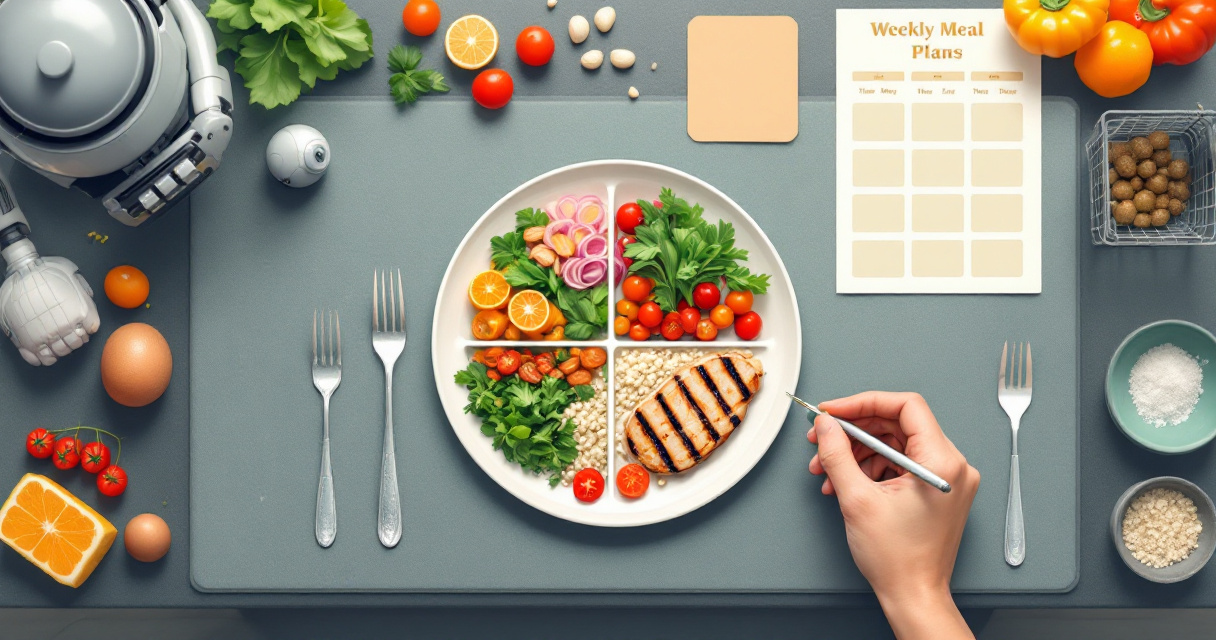
A personalized recipe generator with macros is most useful when it does more than invent dinner ideas; it turns calorie, protein, carbohydrate, and fat targets into meals you can actually cook. Macro recipe generator: a tool that creates or adapts recipes around nutrition constraints, serving sizes, food preferences, and practical cooking needs. Dinecraft is built for that exact workflow, combining AI meal planning with USDA-validated nutrition data, allergen-aware planning, and aisle-sorted shopping lists.
What is a personalized recipe generator with macros?
A personalized recipe generator with macros is an AI or rules-based tool that creates recipes around your calorie target, protein goal, carb range, fat limit, preferences, allergies, and schedule. Instead of only suggesting foods, it calculates portions and ingredient choices so each meal fits a defined nutrition plan.
Most generic recipe tools answer, "What can I make with chicken?" Macro-aware generators answer, "What chicken dinner fits 650 calories, 45 grams of protein, low lactose, and 25 minutes?" That difference matters for athletes, meal preppers, and families trying to eat with less guesswork.
Key insight: macro planning is not just recipe inspiration. It is constraint-based meal design.
A strong generator should understand these inputs:
- Calories: the total energy target for a meal or day.
- Protein: often the anchor macro for fitness, satiety, and muscle goals.
- Carbohydrates: adjusted for training days, energy needs, or dietary preference.
- Fat: controlled through oils, sauces, nuts, dairy, and protein cuts.
- Constraints: allergies, disliked foods, prep time, budget, servings, and cuisine.
Research on human-centered AI stresses that AI systems should be controllable, understandable, and aligned with user needs, not just technically impressive. The 2023 paper Six Human-Centered Artificial Intelligence Grand Challenges frames this as a central challenge for AI design, which applies directly to nutrition tools that influence daily decisions.
How does a macro-based recipe generator work?
A macro-based recipe generator works by collecting nutrition targets, selecting compatible foods, estimating portions, checking the recipe against nutrition data, and adjusting ingredients until the final meal fits the user's goals. The best systems repeat this process across a full week, not just one meal.
A practical workflow looks like this:
- Enter calories, protein, carbs, fat, servings, allergies, and dislikes.
- Choose meal type, such as breakfast, dinner, snack, or weekly prep.
- Add practical limits, such as 30 minutes, one-pan cooking, or freezer-friendly meals.
- Generate recipe options with ingredients, steps, and serving sizes.
- Validate nutrition against a trusted database.
- Swap ingredients if the meal misses the target or conflicts with preferences.
- Convert the final plan into a grocery list.
This resembles the "prompt in, meal plan out" pattern many people use with ChatGPT, but with more structure. A plain prompt can produce a decent idea, but a purpose-built planner must track numbers, resolve conflicts, and keep recipes realistic.
The research paper AI Chains: Transparent and Controllable Human-AI Interaction by Chaining Large Language Model Prompts examined chained prompt workflows for more controllable AI interaction. Meal planning benefits from the same idea: one step generates options, another checks nutrition, another refines ingredients, and another formats the plan.
Macro generator workflow compared with a generic recipe prompt
| Feature | Generic AI recipe prompt | Macro-aware recipe generator | Why it matters |
|---|---|---|---|
| Nutrition target | Optional or vague | Required input | Keeps meals aligned with goals |
| Portion control | Often estimated | Adjusted by serving | Prevents hidden calorie drift |
| Ingredient swaps | User-managed | Suggested automatically | Saves time during planning |
| Allergen handling | Depends on prompt quality | Built into constraints | Reduces risky suggestions |
| Weekly planning | Manual follow-up | Planned across days | Helps meal prep stay consistent |
| Shopping list | Usually separate | Generated from plan | Cuts friction before cooking |
How do calories and macros shape recipe choices?
Calories and macros shape recipe choices by changing ingredient type, portion size, cooking method, and sauce selection. A meal that needs more protein may use lean meat, tofu, Greek yogurt, legumes, or protein-rich grains, while a lower-fat version may reduce oil, cheese, nuts, or fatty cuts.
Macro targets work best when they guide tradeoffs instead of forcing bland meals. For example, a 700-calorie rice bowl can become higher protein by increasing chicken and reducing rice. A vegetarian pasta can gain protein through lentil pasta, tempeh, cottage cheese sauce, or beans.
Ingredient levers that change macro outcomes
| Goal | Common adjustment | Example |
|---|---|---|
| Higher protein | Add lean protein or increase portion | More turkey, tofu, shrimp, eggs, beans |
| Lower calories | Reduce oils, creamy sauces, and dense toppings | Use salsa or yogurt sauce instead of mayo |
| Higher carbs | Add grains, potatoes, fruit, or legumes | Extra rice after endurance training |
| Lower carbs | Use more vegetables and protein | Cauliflower rice with salmon |
| Higher fat | Add olive oil, avocado, nuts, or full-fat dairy | Chicken bowl with avocado crema |
| Allergen-aware | Replace trigger ingredients | Sunflower seed butter instead of peanut butter |
Macro-aware planning also needs serving logic. A recipe may look accurate for one serving but fail for a family of four if the tool scales ingredients unevenly. Good generators recalculate per serving, then show the total grocery quantity.
Meal prep adds another layer. If you need five lunches with similar macros, variety still matters. Small changes, such as swapping rice for potatoes or chicken for tofu, can keep targets stable while reducing food fatigue.
What should you check before trusting AI-generated macros?
You should check the nutrition data source, serving size, ingredient specificity, and substitution logic before trusting AI-generated macros. Macro numbers are only useful when the tool can explain what ingredients were counted, how portions were measured, and whether swaps changed the final values.
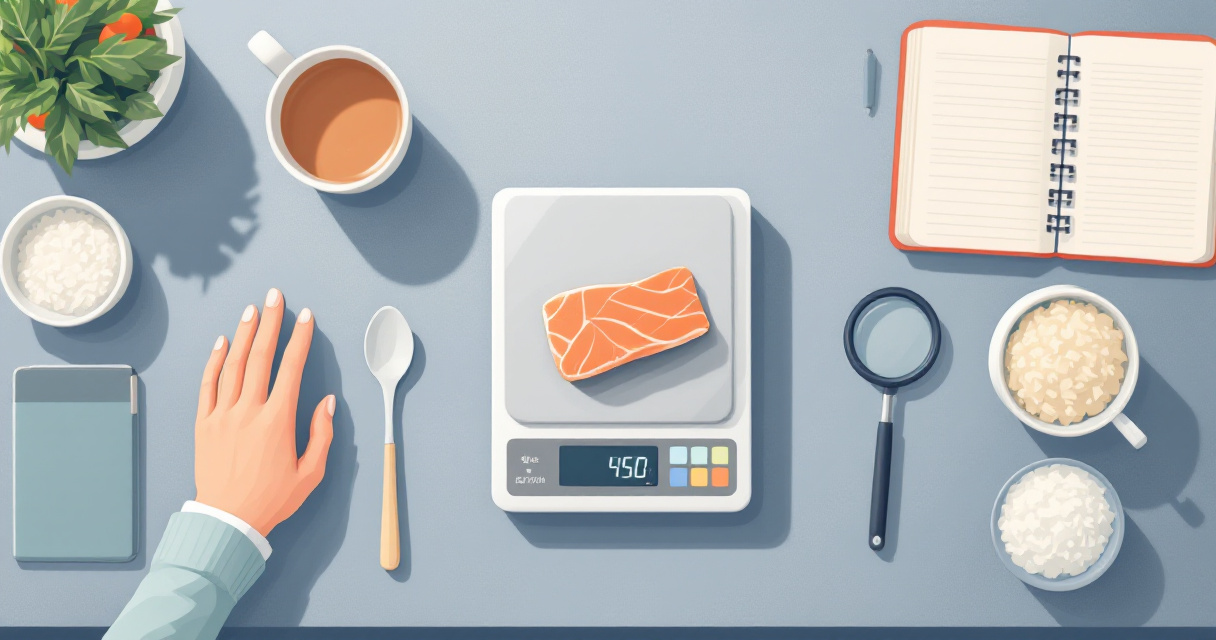
Common weak spots include vague ingredients, such as "one bowl of rice," missing cooking fats, and branded products with different nutrition profiles. Sauces, dressings, nuts, and oils can shift calories quickly, so a recipe generator should account for them instead of treating them as flavor notes.
Use this checklist before saving a plan:
- Data source: Does it use a recognized food database or only model estimates?
- Serving size: Are macros shown per serving and for the full recipe?
- Ingredient detail: Are weights or household measures clear?
- Cooking fat: Are oil, butter, and sauce calories included?
- Substitutions: Do swaps recalculate the full recipe?
- Allergens: Are exclusions enforced across ingredients and garnishes?
- Repeatability: Can you regenerate a similar meal without starting over?
A 2023 review, The GenAI is out of the bottle, looked at generative AI from a business model new idea perspective. For food planning, the useful takeaway is practical: the value is not just content generation, but the service layer around it, including validation, personalization, and repeatable workflows.
The Dinecraft platform handles this by building plans around calorie and macro targets, then validating nutrition against USDA data. It also supports simple family planning and more precise macro-focused planning, which helps different users avoid wrestling with the same settings.
What will personalized macro recipe tools do better in 2027?
Personalized macro recipe tools will likely become more adaptive, more transparent, and more connected to real-life food routines by 2027. The next step is not just prettier recipe images; it is better feedback loops between goals, pantry inventory, grocery choices, and what users actually eat.
Expect progress in four areas:
- Adaptive weekly planning: tools will learn which meals you repeat, skip, or modify.
- Smarter substitutions: swaps will preserve texture, cuisine style, allergens, and macros.
- Better validation: nutrition estimates will become easier to audit before cooking.
- Multi-person planning: families will get shared dinners with individual macro adjustments.
Image generation will also become more useful when it reflects the actual recipe, not a fantasy version of it. A realistic image can help you judge portion size, texture, and plating, but it should never replace verified ingredient data.
For athletes and macro trackers, the biggest improvement will be precision without extra work. For busy families, it will be decision relief: fewer "what's for dinner?" moments, faster grocery planning, and meals that match household preferences.
FAQ
These quick answers cover the most common questions people ask before using a macro-aware recipe planner.
Can AI create recipes that match exact macros?
AI can create recipes close to exact macros, but accuracy depends on the nutrition database, ingredient weights, and serving calculations. A good tool should adjust portions, include oils and sauces, and recalculate macros after substitutions. Treat exact numbers as planning targets, then verify packaged foods or restaurant-style ingredients when precision matters.
Is macro meal planning only for athletes?
Macro meal planning is useful for athletes, but it is not limited to sports nutrition. Families use it to balance meals, people tracking calories use it for consistency, and meal preppers use it to reduce decision fatigue. The key is choosing a level of precision that fits your life, not turning every meal into math.
What is the difference between a recipe analyzer and a recipe generator?
A recipe analyzer calculates nutrition for a recipe you already have. A recipe generator creates or adapts a recipe based on goals you provide, such as calories, macros, allergies, ingredients, and prep time. Many users need both: generation for ideas, analysis for verification, and meal planning for weekly execution.
Can a macro recipe generator make shopping lists?
Yes, stronger macro recipe generators can turn selected meals into grocery lists by combining ingredients across recipes and grouping them by category. This is especially useful for weekly meal prep because it reduces duplicate items, missed ingredients, and last-minute store trips.
Conclusion
A personalized recipe generator with macros should help you move from targets to meals without guessing. Start by setting daily calories and protein, add allergies and dislikes, then generate one day of meals before scaling to a full week. If you want macro-focused plans, personalized recipes, validated nutrition, and aisle-sorted shopping lists in one workflow, try planning your next week with Dinecraft and visit dinecraft.app when you're ready to build it.