Meal Planning for Muscle Gain: A Practical 2026 Guide
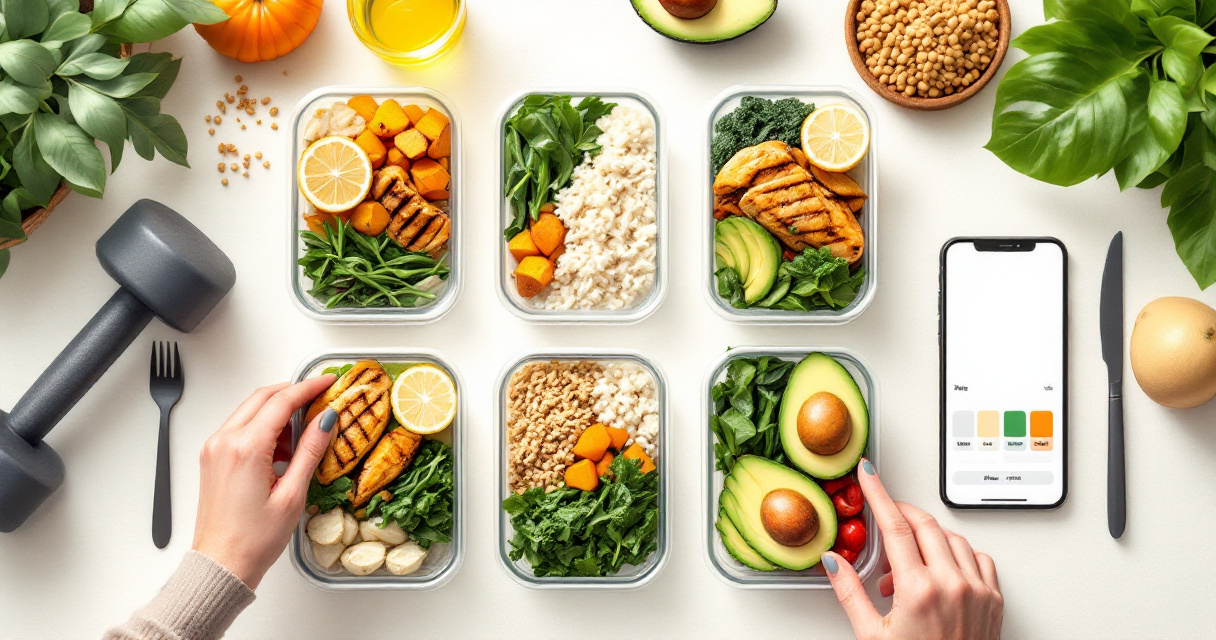
Meal planning for muscle gain fails most often because people train hard, then guess their food. A better plan starts with a calorie target, a protein anchor, carb support around training, and meals you can repeat without boredom. [Meal preparation]: meal prep is the process of planning and preparing meals, often pre-packaged, to eat throughout the week. For macro-focused planning, Dinecraft can build weekly meals around calorie and macronutrient targets using USDA-validated nutrition data.
What is meal planning for muscle gain?
Meal planning for muscle gain is the process of organizing meals so your weekly food intake supports progressive resistance training, muscle repair, and a consistent calorie surplus. Bodybuilding, as commonly defined, uses progressive resistance exercise to build and develop muscles through hypertrophy, so nutrition should support that training rather than replace it.
A muscle-gain plan is not just "eat more." It needs structure because appetite, work schedules, family dinners, and grocery gaps can all interfere with consistency.
Key insight: your best bulking diet is the one you can repeat for months, not the one that looks perfect for three days.
Use three anchors before choosing recipes:
- Calories: set a daily target that supports gradual weight gain.
- Protein: include a clear protein source at breakfast, lunch, dinner, and snacks.
- Carbohydrates: place enough carbs around training to support performance and recovery.
- Fats and micronutrients: include oils, nuts, dairy, eggs, fish, legumes, vegetables, and fruit for energy and diet quality.
How should you set calories and macros for muscle gain?
You should set calories and macros for muscle gain by starting with your maintenance intake, adding a modest surplus, then distributing protein, carbs, and fats across meals you will actually eat. The goal is steady intake, not random high-calorie days followed by low-food recovery days.
Macro priorities for a weekly muscle-gain plan
| Priority | What it does | Practical meal-planning move |
|---|---|---|
| Calories | Supplies the energy needed to gain body mass | Add portions first: rice, oats, potatoes, pasta, oils, dairy, or nuts |
| Protein | Supports muscle repair after resistance training | Put a protein source in every main meal |
| Carbs | Support training output and glycogen replenishment | Place larger carb servings before or after hard sessions |
| Fats | Add dense energy and help meals taste better | Use olive oil, avocado, nut butter, eggs, or salmon |
| Fiber and micronutrients | Support digestion and overall health | Keep fruit, vegetables, beans, and whole grains in the plan |
Research in nutrition-heavy clinical guidance, including the ADA and EASD 2022 consensus report on hyperglycemia management, emphasizes individualized nutrition planning rather than one universal diet pattern (Davies et al., 2022). That principle fits muscle gain too: your targets should reflect body size, training volume, appetite, health needs, and food preferences.
If you have diabetes, kidney disease, a history of disordered eating, or a medical nutrition plan, work with a qualified clinician before pushing calories higher.
What should breakfast, lunch, dinner, and snacks look like?
Each meal should combine protein, energy-dense carbohydrates or fats, and foods you can prepare in batches without losing texture or taste. The simplest weekly plan uses repeatable templates, then rotates flavors so you do not feel trapped by the same container meal every day.
High-protein meal templates for the week
Breakfast should be easy to repeat because rushed mornings are where many muscle-gain plans lose calories. Try eggs with toast and fruit, Greek yogurt with oats and nut butter, or a savory option like a Greek feta egg scramble with whole wheat toast.
Lunch should travel well and reheat cleanly. Bowls work because you can scale each part: protein, grain, vegetable, sauce, and extra fat. A grilled chicken quinoa power bowl is a strong template because it pairs lean protein with a starchy base and vegetables.
Dinner can be more flexible, especially for families. Build around one protein, one carb, one vegetable, and one flavor driver. Salmon with rice and broccoli, pasta with shrimp, lentil grain bowls, or chicken lettuce cups can all fit if portions match your targets. Browse more high-protein ideas in the Dinecraft recipe collection.
Good snacks close the gap between planned meals and actual intake:
- Greek yogurt with granola
- Cottage cheese with fruit
- Protein smoothie with oats
- Peanut butter toast
- Trail mix and milk
- Rice cakes with tuna or eggs
How do you plan a muscle-gain week without under-eating?
Plan a muscle-gain week by mapping training days first, assigning higher-energy meals where appetite is strongest, and preparing backup foods for the days you get busy. Under-eating usually happens when the plan depends on cooking from scratch every time hunger appears.
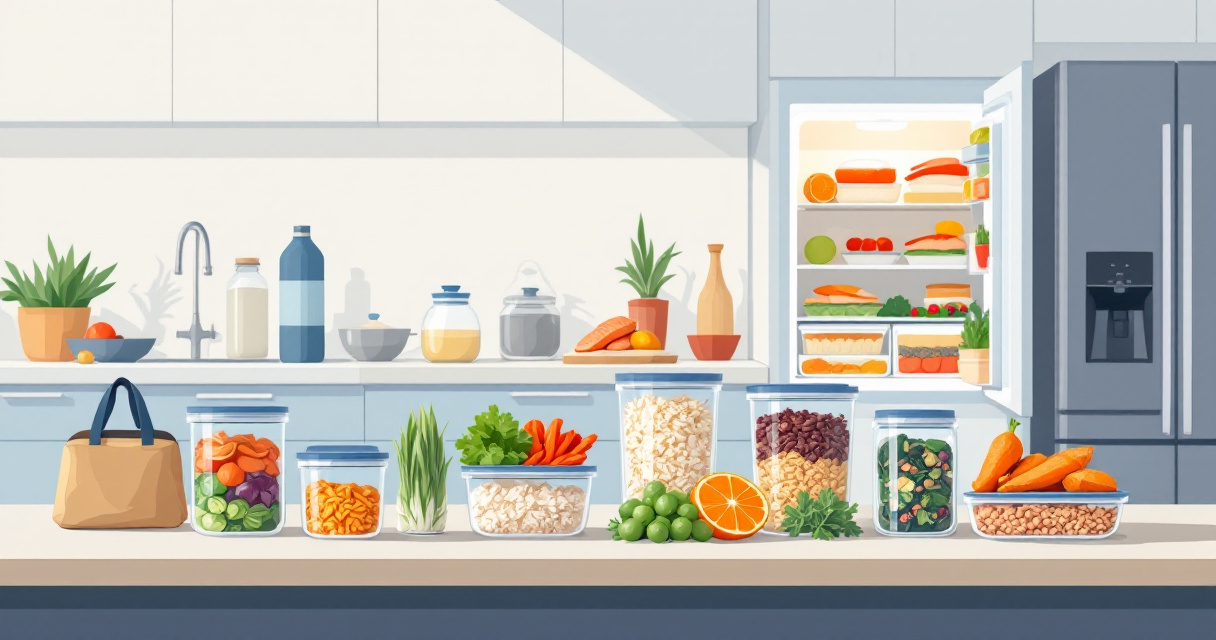
A simple weekly planning sequence
- Write down training days: mark hard lifting days, rest days, and long cardio sessions.
- Choose repeat meals: pick two breakfasts, two lunches, three dinners, and two snacks.
- Batch the base foods: cook grains, proteins, roasted vegetables, and sauces separately.
- Assign bigger meals to training days: add extra rice, pasta, potatoes, oats, or bread near workouts.
- Prep emergency calories: keep shelf-stable foods like nut butter, cereal, tuna, rice packets, and protein powder.
- Review weight and performance weekly: adjust portions if strength, appetite, or body weight is not moving as expected.
Meal boredom is a real adherence problem. Keep the base consistent, but rotate sauces and cuisines: gochujang salmon one night, Mediterranean lentils another, Thai chicken lettuce cups later in the week.
Bone and muscle health also overlap with long-term training. A 2022 clinician guide on osteoporosis prevention and treatment reviews nutrition and lifestyle factors as part of skeletal health management (LeBoff et al., 2022). For lifters, that reinforces a practical point: do not build a bulk on protein powder alone. Whole foods still matter.
Should you plan manually or use an AI meal planner?
Manual planning works if you enjoy spreadsheets, but an AI meal planner can reduce the friction of matching recipes, macros, preferences, and grocery lists. The best choice depends on how much precision you need and how much time you want to spend adjusting meals.
Manual planning vs AI-assisted planning
| Method | Best for | Strength | Watch-out |
|---|---|---|---|
| Notebook planning | Simple routines | Low tech and flexible | Easy to miss calories or repeat meals too often |
| Spreadsheet tracking | Macro-focused athletes | High control over portions | Time-consuming to maintain |
| Generic recipe apps | Families wanting ideas | Good variety | Nutrition may not match your targets |
| AI macro meal planning | Lifters, meal preppers, busy families | Faster weekly plans tied to goals | Quality depends on nutrition data and personalization |
The Dinecraft platform is built for the last category: personalized meal planning that can work for both casual family dinners and precise macro tracking. It creates recipes, ingredients, pictures, macros, and aisle-sorted shopping lists so weekly planning is less manual.
For muscle gain, the useful feature is not just recipe generation. It is the ability to build around your calorie and macro targets, account for allergens, and validate nutrition data instead of relying on rough guesses. If you want to test that workflow, visit dinecraft.app and start from your weekly target rather than from random recipes.
FAQ: Muscle-gain meal planning questions
These common questions cover the decisions that most often change results: timing, food choice, flexibility, and tracking accuracy.
Do I need to eat every few hours to gain muscle?
You do not need a rigid meal clock, but most people gain more consistently when they spread food across several meals and snacks. Large calorie targets can be hard to hit in only one or two meals, so plan eating times that match your appetite and schedule.
Can I build muscle with family meals?
Yes, family meals can support muscle gain if you adjust portions instead of cooking a separate menu. Keep the shared dinner, then scale your plate with extra rice, pasta, potatoes, olive oil, dairy, or lean protein. That approach is easier to maintain socially.
Are supplements required for a muscle-gain diet?
Supplements are optional. Protein powder, creatine, or convenience shakes may help some athletes meet targets, but they should not replace a complete eating pattern. Start with meals, snacks, grocery planning, and training consistency before adding products.
How often should I change my meal plan?
Review your plan weekly, but do not change everything at once. If energy, performance, digestion, and body weight are trending well, keep the structure and rotate flavors. If progress stalls, adjust portions first before replacing the full plan.
Conclusion
Meal planning for muscle gain works when your food plan is as intentional as your lifting plan: set targets, build repeatable meals, prep calorie-dense backups, and review progress weekly. Start this week with two breakfasts, two lunches, three dinners, and two snacks, then let the numbers guide portion changes. If you want a faster way to turn macros into recipes and shopping lists, use Dinecraft or head to dinecraft.app to build a plan around your goals.