Best Meal Planning App for Weight Loss Macros: What to Look For in 2026
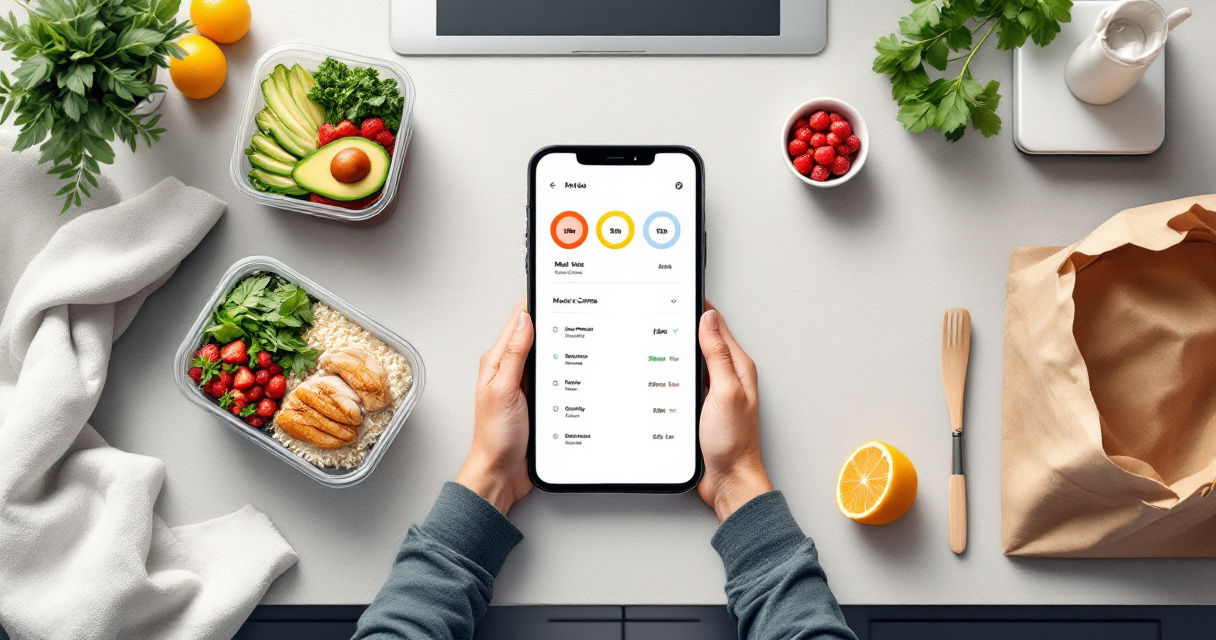
A meal planning app for weight loss macros works best when it turns your calorie deficit into real meals you can repeat, shop for, and adjust. Tracking numbers alone rarely solves dinner at 6 p.m., which is why macro-aware planning now matters more than simple calorie logging. Dinecraft is built for that gap: weekly AI meal plans around calories, protein, carbs, and fat, using USDA-validated nutrition data rather than rough recipe guesses.
What is a meal planning app for weight loss macros?
A meal planning app for weight loss macros is software that creates meals around a calorie target and macronutrient split, usually protein, carbohydrates, and fat. Unlike a basic recipe organizer, it helps you plan portions, hit daily nutrition goals, and shop for foods that support fat loss.
Macro meal planning: the process of matching meals to specific calorie, protein, carbohydrate, and fat targets for a chosen goal, such as fat loss, muscle gain, or maintenance.
Paprika, defined in Wikipedia research as an app for organizing recipes, producing meal plans, and creating grocery lists, represents the older recipe-management model. Macro-focused tools go further by connecting recipes to nutrition targets.
Key insight: weight loss planning fails when the app records food after the fact but does not help you decide what to cook before hunger, stress, or time pressure takes over.
Macro planning versus calorie tracking
| Feature | Basic calorie tracker | Recipe planner | Macro meal planning app |
|---|---|---|---|
| Main job | Logs foods eaten | Organizes recipes | Builds meals around targets |
| Best for | Awareness | Cooking organization | Structured fat loss |
| Weak spot | Reactive planning | Limited nutrition control | Needs accurate food data |
| Useful output | Daily log | Grocery list | Meal plan, macros, portions, shopping list |
Why is calorie deficit alone not enough for sustainable fat loss?
A calorie deficit drives weight loss, but macro balance helps make that deficit easier to follow. Protein supports fullness and training recovery, carbohydrates fuel activity, and fats help meals feel satisfying. A plan that ignores macros may be technically low calorie yet hard to repeat.
The American Diabetes Association's Standards of Care in Diabetes 2023 included guidance on positive health behaviors and well-being, reinforcing that nutrition changes work better when they fit daily behavior patterns, not just numbers on paper (Diabetes Care, 2023).
For athletes and active users, macro distribution matters because performance affects adherence. If your meals leave you flat during workouts, you may abandon the plan even if the calorie math looks right.
A practical fat-loss meal plan should answer four questions:
- What can I eat today and still hit my target?
- How much protein is in each meal?
- What groceries do I need for the whole week?
- Can I repeat this without cooking from scratch every night?
If an app cannot answer those questions before the week starts, it is mostly a tracker, not a planning system.
How should you compare macro meal planning apps in 2026?
The best macro meal planning app in 2026 should combine accurate nutrition data, personalized recipes, allergen controls, flexible portions, and grocery planning. SERP research shows users compare tools such as Eat This Much, Prospre, MyFitnessPal, Lose It!, Lifesum, and MyMacros+, but many pages focus on feature lists rather than decision criteria.
Use the table below to compare apps by workflow, not hype.
Buyer checklist for choosing a macro-focused planner
| Decision factor | Why it matters for weight loss | What to check |
|---|---|---|
| Nutrition data source | Bad data breaks macro targets | Look for validated databases or clear sourcing |
| Weekly planning | Reduces daily decision fatigue | Confirm it builds multiple days, not one recipe |
| Protein targeting | Helps preserve lean mass during fat loss | Check meal-level protein, not just daily totals |
| Allergen handling | Keeps plans safe and realistic | Look for exclusions and substitutions |
| Grocery lists | Turns intent into action | Prefer aisle-sorted lists |
| Recipe flexibility | Prevents boredom | Check cuisines, prep time, and ingredient swaps |
| Family mode | Helps shared households stay consistent | Look for simple meals plus precise macro options |
A strong app should also make privacy easy to understand. Before adding health or food-preference data, review the provider's policies, such as the Dinecraft privacy page, so you know how account information is handled.
How Dinecraft handles macro-based weight loss meal planning
The Dinecraft platform handles macro-based weight loss by generating weekly meal plans around your calorie and macronutrient targets, then validating recipes against USDA-backed nutrition data. It is designed for two common users: families that need easier dinners and macro trackers who need tighter control.
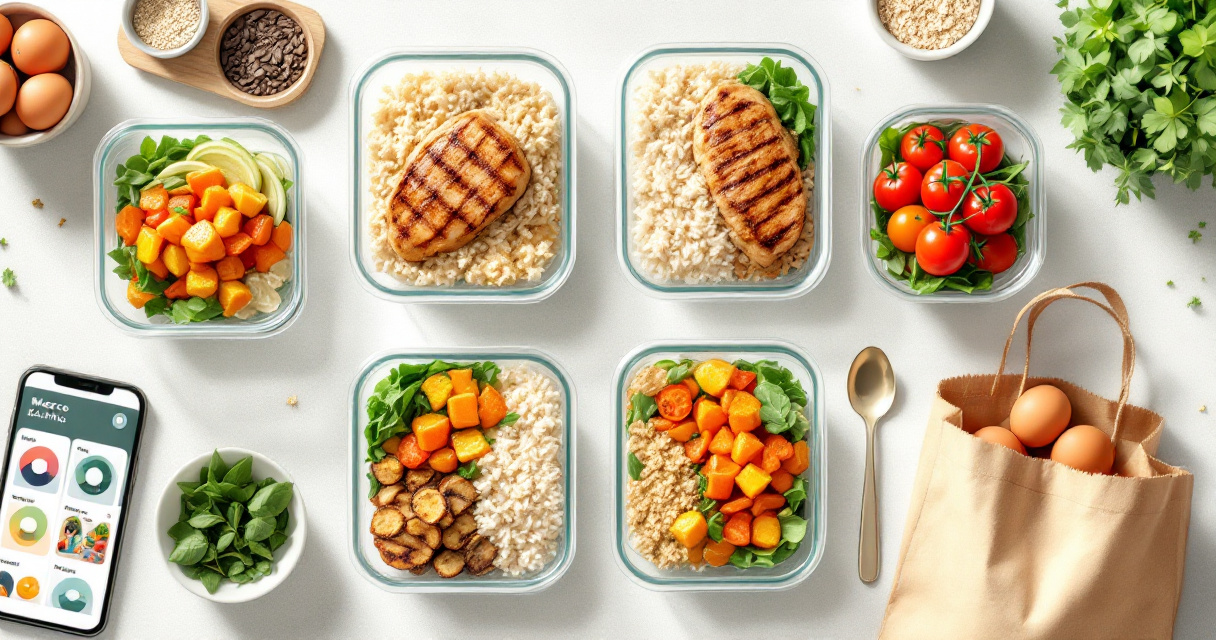
Instead of making you assemble meals from scratch, Dinecraft uses a multi-agent recipe process to find, refine, and validate meals against your targets. That matters when you want dinners that taste normal, not a spreadsheet disguised as food.
You can also browse practical meal ideas in the Dinecraft recipe library, including higher-protein bowls, seafood meals, vegetarian options, and family-friendly dinners.
Best-fit users for Dinecraft:
- Macro-conscious users cutting weight with a protein target.
- Athletes who want meals planned around training days.
- Busy parents who need one grocery list for the week.
- Meal preppers who want repeatable recipes and portions.
- Health-conscious users who care about validated nutrition data.
For example, a meal like the grilled chicken quinoa power bowl fits the kind of structured, portion-friendly eating many macro trackers prefer. For more options, visit dinecraft.app and build a week around your own targets.
What mistakes should you avoid when using a macro meal planning app?
The biggest mistake is treating macros as a perfection contest instead of a planning tool. Your app should reduce friction, not make every meal feel like accounting homework.
Common mistakes include:
- Setting calories too low and creating a plan you cannot follow.
- Ignoring protein until dinner, then trying to catch up late.
- Choosing recipes without checking portion sizes.
- Forgetting sauces, oils, snacks, and drinks.
- Building a plan with foods your household will not eat.
Another overlooked issue is food waste. Research by Yang, Chen, and Wang in Environmental Chemistry Letters examined circular economy strategies for environmental challenges, a reminder that planning systems can support better resource use when they help households buy only what they need (Yang et al., 2022).
A good weekly plan should be flexible enough for real life and specific enough to protect your calorie and macro targets.
In 2026 and beyond, expect more apps to move from passive logging to proactive planning. AI-generated recipes, validated nutrition, allergy-aware substitutions, multi-language support, and aisle-sorted grocery lists will become baseline expectations, not premium extras.
FAQ: macro meal planning for weight loss
What macros matter most for weight loss?
Protein, carbohydrates, and fat all matter, but protein usually deserves the most attention during weight loss because it helps meals feel filling and supports training recovery. Calories still set the overall direction, while macro targets make the plan easier to follow.
Is a macro app better than counting calories manually?
A macro app is better if it plans meals before you eat, not just logs them afterward. Manual tracking can work, but it takes more time and often fails when recipes, portions, and grocery lists are not connected.
Can families use macro meal planning without everyone dieting?
Yes. The best setup is one shared dinner plan with adjustable portions. Adults can follow calorie and macro targets, while kids or non-dieting family members eat suitable portions without turning dinner into separate meals.
How accurate are recipe macros in apps?
Accuracy depends on the food database, ingredient matching, serving sizes, and whether cooked or raw weights are used. Prefer apps that explain their nutrition source and let you review ingredients instead of hiding estimates.
Conclusion
A meal planning app for weight loss macros should help you plan the week, hit protein and calorie targets, shop efficiently, and adjust meals without starting over. Start by choosing your calorie range, protein goal, schedule, allergies, and cooking time. Then test one full week, not one perfect day. If you want AI-generated meals with validated nutrition, weekly grocery lists, and both simple and precision modes, try Dinecraft and use dinecraft.app as your starting point.