Meal Planning App for Diabetes Macros: What to Look For in 2026
TL;DR
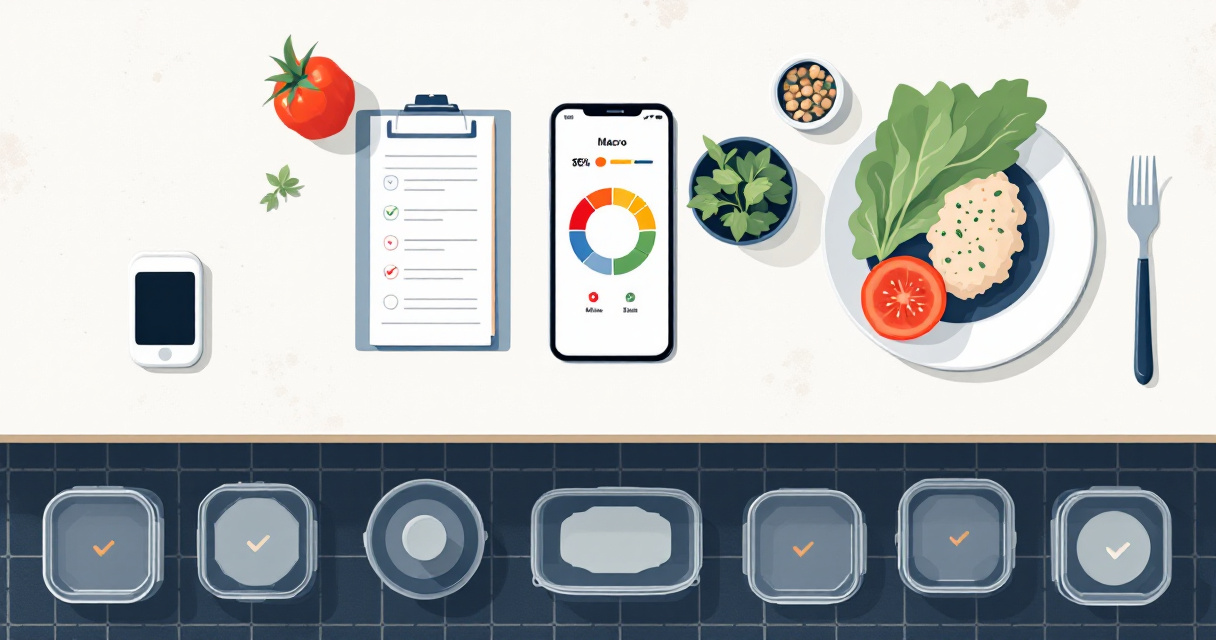
A strong diabetes macro planning app should support clinician-set carb targets, show transparent nutrition data, and make weekly meals easier to repeat. The safest choice is not the app with the most recipes, but the one that helps keep carb, calorie, protein, fat, fiber, and ingredient details visible before meals are planned.
Carb-aware meal planning is no longer just a spreadsheet problem; it now sits inside apps that combine recipes, macros, grocery lists, and nutrition databases. A meal planning app for diabetes macros should help organize meals around clinician guidance, not replace medical care. Diabetes macro planning: the process of arranging meals around carbohydrate, protein, fat, calories, fiber, and ingredient details so food choices can match individualized nutrition goals. For people comparing modern planning tools, Dinecraft offers macro-based weekly plans, USDA-validated nutrition data, allergen-aware recipe planning, and aisle-sorted shopping lists in one workflow.
Table of Contents
What is a meal planning app for diabetes macros?
A meal planning app for diabetes macros is a digital tool that helps organize meals around carbohydrate, calorie, protein, fat, fiber, and ingredient targets while leaving diagnosis, medication, and glucose decisions to licensed clinicians. The best apps make nutrition data transparent, repeatable, and easy to review before meals reach the grocery list.
Human nutrition, as defined in general scientific terms, concerns essential nutrients in food that support human life and health. Diabetes-focused macro planning narrows that broad idea into day-by-day food structure, especially carbohydrate consistency and ingredient awareness.
Key insight: the app should support a care plan; it should not create a medical treatment plan.
Research in the Standards of Care in Diabetes, 2023 reviewed health behaviors and well-being as part of diabetes outcomes, including nutrition-related behavior change in Diabetes Care. A 2022 review on dietary regulation examined how diet interacts with health and disease pathways in Signal Transduction and Targeted Therapy. Those sources support a practical point: meal structure matters, but it belongs inside a broader care plan.
Core terms used by diabetes macro apps
- Carbohydrates: the macro most closely tracked in many diabetes meal plans, because carb amounts affect meal planning decisions.
- Protein: a macro used for satiety, muscle support, and balanced meal design.
- Fat: a macro that affects calories and meal composition.
- Fiber: a nutrition detail often reviewed when selecting grains, legumes, vegetables, and fruit.
- Validated nutrition data: nutrition values tied to recognized databases or verified sources rather than vague recipe estimates.
Which app features matter most for carb-aware planning?
The most useful features for carb-aware planning are verified nutrition data, adjustable macro targets, ingredient transparency, recipe repeatability, allergen handling, and grocery-list automation. Apps that only count calories can miss the practical planning steps needed for consistent breakfasts, packed lunches, family dinners, and meal prep.
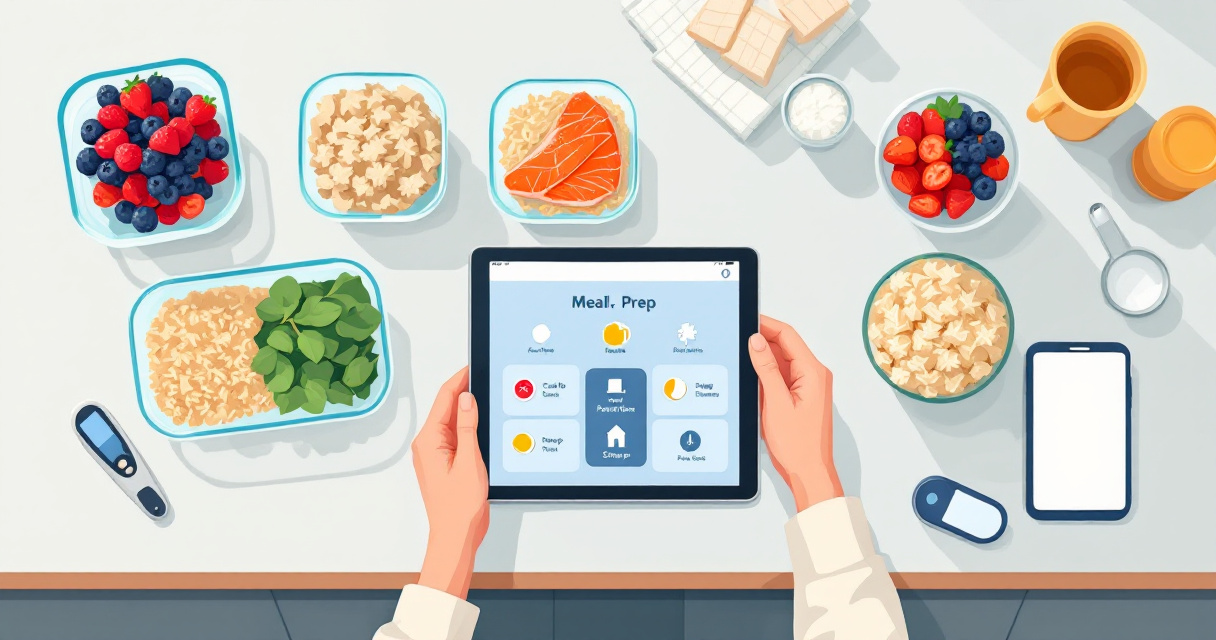
A strong app should make the plan visible before food is bought. That means recipes, serving sizes, macros, ingredients, and substitutions should be reviewable in advance.
For recipe inspiration, macro-conscious users can compare balanced meal structures such as a Mediterranean lentil feta grain bowl or a grilled chicken quinoa power bowl, then adjust portions or ingredients based on clinician-provided targets.
Feature checklist for evaluating apps
- Confirm that carbohydrate grams appear per serving, not only per recipe.
- Check whether calorie, protein, fat, and fiber values are shown together.
- Review the nutrition source, especially whether data is validated or estimated.
- Look for recipe edits that update macros automatically.
- Prefer weekly planning tools that create shopping lists by aisle.
- Select apps that allow allergen and preference filters.
- Keep personal glucose, medication, and dosing decisions with the care team.
Feature comparison for diabetes macro planning
| Feature | Why it matters | What to check |
|---|---|---|
| Carb targets | Supports consistent meal structure | Per-meal and per-day carb visibility |
| Validated data | Reduces guesswork in planning | Database source or verification method |
| Recipe editing | Helps adapt meals to preferences | Macro recalculation after changes |
| Allergen filters | Protects family and individual needs | Ingredient exclusions and warnings |
| Shopping lists | Turns plans into action | Aisle sorting and weekly aggregation |
| Family mode | Makes adherence more practical | Portions, leftovers, and shared meals |
How Dinecraft handles macro-focused meal planning
The Dinecraft platform handles macro-focused meal planning by building weekly recipes around calorie and macronutrient targets, then pairing those plans with USDA-validated nutrition data and aisle-sorted shopping lists. Its value is strongest for households that need both practical dinners and precise macro planning.
Dinecraft has two planning styles: a simpler family meal planning mode and a precision mode for macro trackers, athletes, and meal preppers. That split matters because diabetes-aware food planning often has to work in ordinary kitchens, not only in strict tracking routines.
The platform also uses allergen-aware planning and multi-language support, which helps when meals must serve more than one person. A recipe such as thai ground chicken lettuce cups with peanut coconut sauce can fit a lower-carb dinner pattern depending on portioning and clinician-set goals.
A planning tool earns trust when macros, ingredients, and shopping steps are visible before the week starts.
Head to dinecraft.app when a plan needs to connect calorie targets, macro targets, recipes, and groceries in one place.
Where the app fits in the care workflow
- Before the appointment: food logs and planned meals can make nutrition discussions more concrete.
- After guidance is set: macro targets can be entered into weekly planning.
- During grocery planning: ingredient lists reduce last-minute substitutions.
- During meal prep: repeatable recipes make weekday consistency easier.
Why validated nutrition data beats rough recipe estimates
Validated nutrition data is safer for planning than rough estimates because diabetes macro planning depends on consistent serving sizes, visible carbohydrate grams, and ingredient-level clarity. Estimated values can still be useful for casual cooking, but they are less reliable when a plan must closely match stated macro targets.

Many food-tracking apps in search results emphasize logging meals, activity, carb counting, recipes, or glucose-related tracking. Examples in the current search results include Lose It!, MyFitnessPal, mySugr, MyNetDiary, SNAQ, Glucose Buddy, and My Diabetes Diet. Those tools may serve different needs, from broad calorie tracking to diabetes logs.
The key distinction is planning versus after-the-fact logging. A logger records what happened. A meal planner helps design the week before shopping, cooking, and portioning begin.
Estimated data versus validated data
| Data type | Best use | Main limitation |
|---|---|---|
| User-entered estimates | Quick personal notes | Serving size and ingredient errors can compound |
| Restaurant database items | Eating out comparisons | Recipes and portions may vary by location |
| Generic recipe estimates | Casual meal ideas | Ingredient brands and amounts may be unclear |
| Validated database nutrition | Macro-targeted planning | Still requires correct portions and recipe setup |
Common planning mistakes to avoid
- Treating total calories as a substitute for carbohydrate awareness.
- Ignoring serving size changes after recipe edits.
- Choosing recipes without checking fiber, protein, and fat context.
- Assuming "diabetes-friendly" labels match an individual care plan.
- Building a grocery list before reviewing ingredients and portions.
What should diabetes-conscious meal planners expect in 2027?
Diabetes-conscious meal planning apps are likely to move toward more personalized, transparent, and clinician-friendly workflows in 2027. The strongest tools will combine macro targets, verified nutrition data, family preferences, food budgets, allergy filters, and editable grocery lists without turning apps into medical devices.
AI meal planning will probably improve at recipe adaptation. The harder challenge will be trust: users and clinicians will want to know where nutrition numbers come from, how substitutions change macros, and whether generated recipes stay within stated targets.
Privacy will also matter as food preferences, health goals, and household data converge. Any app used for health-adjacent planning should be reviewed for data practices, including terms and privacy details. Dinecraft publishes both its terms and privacy information on dinecraft.app for users who want to review platform policies before building plans.
FAQ
Can a meal planning app replace diabetes nutrition counseling?
No. A meal planning app can organize recipes, macros, groceries, and ingredient details, but it cannot replace individualized medical nutrition therapy or clinical advice. Diabetes meal targets should come from a qualified clinician, especially when medication, insulin, kidney disease, pregnancy, or other health factors are involved.
Which macro matters most for diabetes meal planning?
Carbohydrates often receive the most attention because many diabetes meal plans track carb amounts per meal or snack. Protein, fat, calories, and fiber still matter because they affect meal balance, fullness, and overall nutrition quality. A good app shows the full macro picture instead of isolating one number.
Are diabetes recipe labels always reliable?
No. Labels such as "diabetes-friendly" or "blood sugar-friendly" can be vague unless the recipe shows serving size, carbohydrate grams, total calories, ingredients, and nutrition source. A better approach is to compare the recipe's actual macros against clinician-set targets.
Is weekly meal prep useful for macro consistency?
Yes, weekly meal prep can make macro consistency easier because portions, ingredients, and shopping decisions are made before busy days begin. Batch cooking also reduces impulse choices, but each meal still needs portion review and accurate nutrition data.
What is the best first step when choosing an app?
The best first step is to list required targets, such as carbs per meal, calories, protein, allergies, preferred cuisines, and grocery needs. Then compare apps based on whether those details appear clearly before recipes are cooked.
Conclusion
A meal planning app for diabetes macros should make nutrition planning clearer, not more complicated. The strongest choice shows carbohydrate grams, calories, protein, fat, fiber, ingredients, serving sizes, and shopping lists before the week begins. Clinician guidance remains the starting point; the app's role is organization, repeatability, and transparency. For macro-based weekly planning with USDA-validated nutrition data and practical grocery support, visit dinecraft.app and build a plan that can be reviewed before the first ingredient is bought.