Macro Friendly Dinner Ideas That Fit Real Weekly Targets
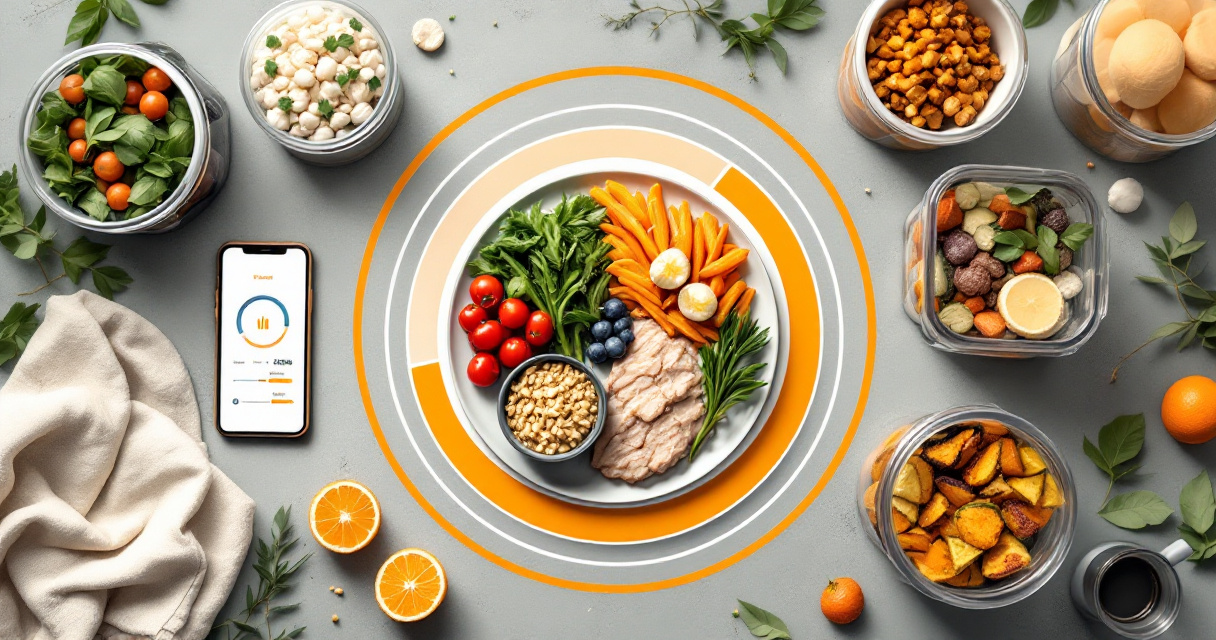
Most dinner lists stop at tasty recipes, but macro friendly dinner ideas only work when portions fit the rest of the day. Dinecraft helps solve that planning gap by building weekly meals around calories, protein, carbs, and fat instead of leaving you to do math after cooking. Competitor recipe pages often organize by "latest," "favorites," or "meal prep," while macro-focused users need one more layer: target-based dinner decisions.
What makes a dinner macro-friendly?
A macro-friendly dinner is a meal with enough protein, carbs, and fat to support your daily target without pushing calories too high or leaving major gaps. It usually starts with a lean or moderate-fat protein, adds a measured carb, includes vegetables or fruit, and uses fats intentionally rather than by accident.
Macro-friendly dinner: a dinner built around a calorie target and a planned balance of protein, carbohydrates, and fat.
A good dinner is not always low carb, low fat, or low calorie. For an athlete, rice and salmon may be more useful than a plain salad. For a sedentary fat-loss day, a turkey taco bowl with extra vegetables may fit better.
Key insight: "Healthy" describes ingredients, but "macro-friendly" describes whether the full plate fits the numbers that matter for your day.
Macro-friendly dinner plate framework
| Dinner component | Common choices | Macro role |
|---|---|---|
| Protein | Chicken breast, salmon, turkey, tofu, lentils, Greek yogurt sauce | Supports fullness and muscle repair |
| Carbohydrate | Rice, potatoes, quinoa, pasta, tortillas, beans | Fuels training, work, and recovery |
| Fat | Olive oil, avocado, nuts, cheese, egg yolks | Adds flavor, hormones support, and satiety |
| Volume | Broccoli, peppers, zucchini, greens, cucumber, mushrooms | Increases portion size without heavy calories |
For recipe inspiration with clearer nutrition structure, browse the Dinecraft recipe collection, then adjust portions to match your day.
Which macro friendly dinner ideas fit different goals?
The best dinner idea depends on whether the goal is higher protein, lower calories, balanced family eating, or meal prep efficiency. Pick the dinner style first, then change portions instead of changing the whole recipe every night.
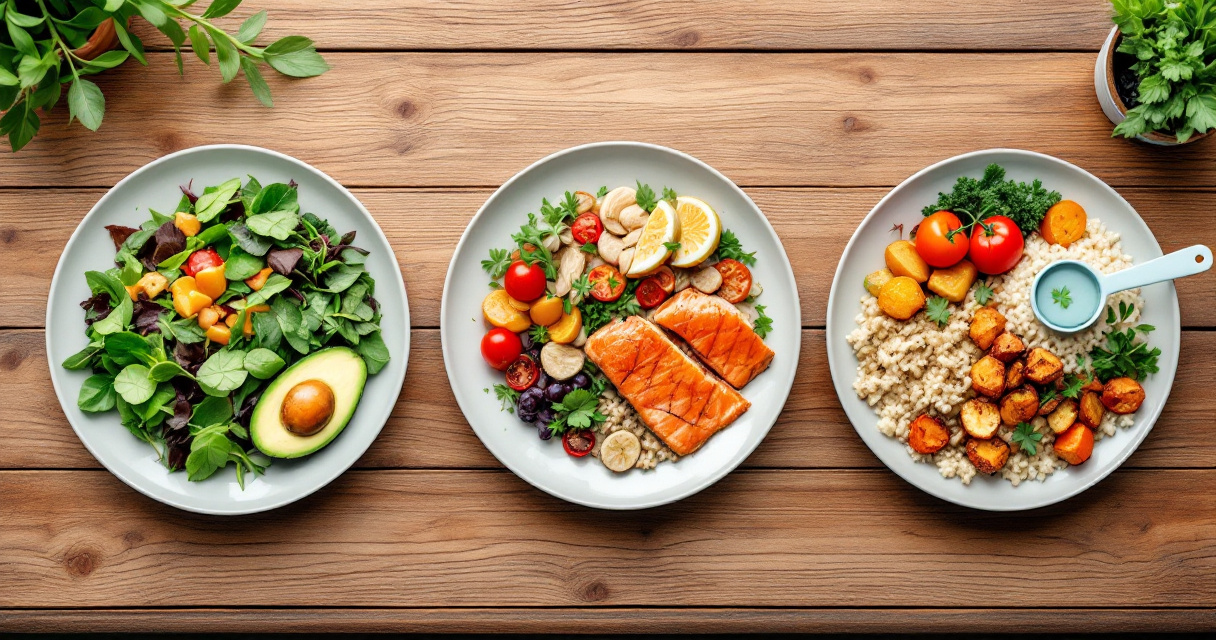
Search results show many pages listing recipes, including Eat the Gains, Oh Snap Macros, and Lillie Eats and Tells. Those lists are useful, but a goal-based approach makes the dinner easier to fit into a weekly plan.
Goal-based dinner ideas to rotate weekly
- High-protein training dinner: grilled chicken, quinoa, roasted vegetables, and yogurt herb sauce. A structured example is this grilled chicken quinoa power bowl.
- Higher-carb recovery dinner: lean beef chili with rice, beans, salsa, and a small amount of cheese.
- Lower-calorie volume dinner: shrimp stir-fry with cauliflower rice, broccoli, carrots, and a measured sesame sauce.
- Balanced family dinner: turkey meatballs, marinara, pasta, side salad, and parmesan served separately.
- Plant-forward dinner: lentil grain bowl with feta, cucumber, tomato, and lemon dressing, similar to this Mediterranean lentil feta grain bowl.
- Fast weeknight dinner: salmon, microwave rice, bagged slaw, and cucumber salad. For a more flavorful version, try gochujang honey glazed salmon with rice and broccoli.
Portion control matters more than recipe labels. The same taco bowl can be fat-loss friendly with extra lettuce and lean turkey, or performance-focused with more rice, avocado, and beans.
Practical rule: keep the recipe familiar, then adjust starch, oil, cheese, sauce, or protein grams to match the target.
How do macro dinners fit into a full-day budget?
Macro dinners fit best when they reserve a predictable share of daily protein, carbs, fat, and calories. Many people plan breakfast and lunch casually, then discover dinner has too little room left for a satisfying plate.
A simple dinner target is not a medical rule, but it keeps planning realistic. Active users may place more carbs at dinner after training. Busy families may keep dinner balanced and adjust snacks instead.
Simple dinner budgeting method
- Set the daily target first: use calorie and macro goals based on activity, body size, and the purpose of the plan.
- Reserve dinner calories: many users keep dinner as one of the largest meals because it is social and satisfying.
- Anchor protein: choose the main protein before adding sauces, starches, or toppings.
- Add carbs by need: increase rice, potatoes, pasta, or tortillas on training days.
- Measure fats last: oils, nut butters, cheese, and creamy sauces can change totals quickly.
- Adjust snacks: if dinner matters most, let snacks flex instead of cutting the meal too small.
The most common mistake is treating every dinner as a standalone recipe. A "macro-friendly" meal can still miss the day's target if breakfast was low protein or lunch was heavy in fats.
Another issue is hidden ingredients. Sauces, cooking oils, breading, toppings, and restaurant-style portions can shift macros more than the main protein does. A home-cooked bowl with measured dressing is easier to manage than a vague "healthy" takeout plate.
How can meal prep make macro-friendly dinners easier in 2026?
Meal prep makes macro-focused dinners easier by separating repeatable base ingredients from flexible sauces, toppings, and portions. Instead of cooking five complete recipes, prep proteins, carbs, vegetables, and flavor builders that can become different dinners.
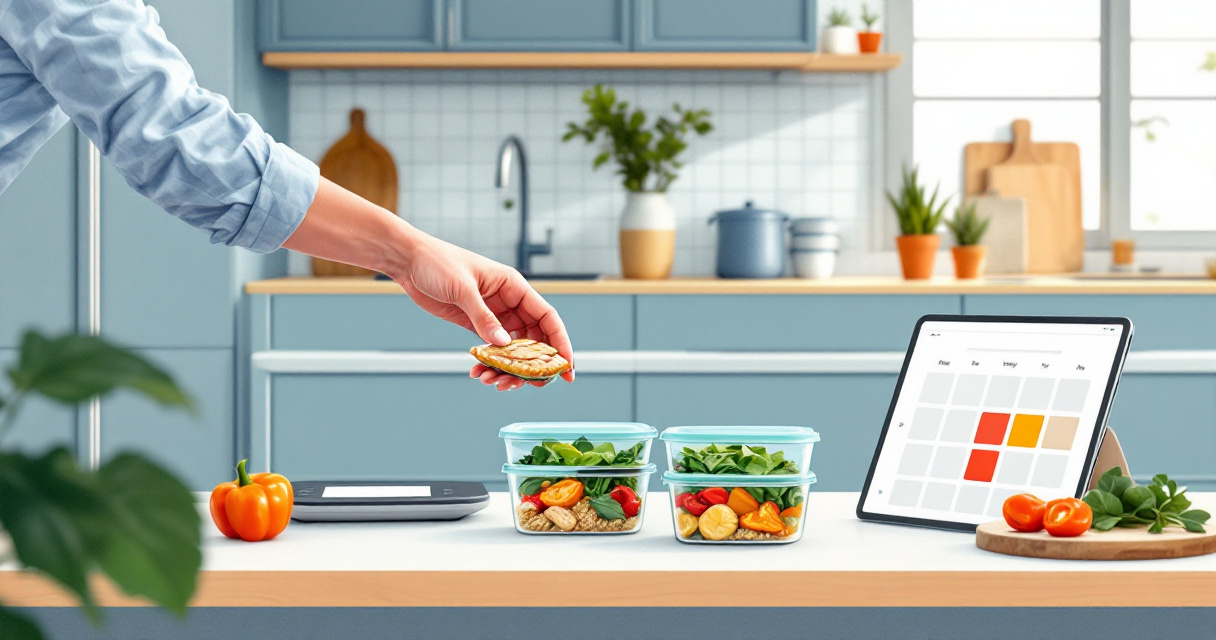
AI-assisted meal planning is becoming more useful for this exact task. A 2023 arXiv paper, Sparks of Artificial General Intelligence: Early experiments with GPT-4, examined advanced reasoning behavior in GPT-4, which helps explain why modern planning tools can handle more complex food constraints than simple recipe search. The 2021 EDUCAUSE Horizon Report also covered broader technology trends in learning systems, which parallels the move toward personalized digital guidance.
The Dinecraft platform applies this idea to food by generating weekly plans around macro targets, allergens, preferences, and shopping needs. For users who want fewer decisions, dinecraft.app can act like a planning layer between recipes and real grocery lists.
Meal prep building blocks for dinner
| Prep block | Batch option | Dinner uses |
|---|---|---|
| Protein | Chicken thighs, turkey, tofu, salmon, lentils | Bowls, wraps, salads, pasta, stir-fries |
| Carb | Rice, quinoa, potatoes, pasta, tortillas | Training meals, family plates, leftovers |
| Vegetables | Roasted broccoli, peppers, onions, zucchini | Volume, fiber, color, reheating ease |
| Sauce | Salsa, yogurt ranch, teriyaki, peanut lime, marinara | Changes flavor without rebuilding the meal |
Good prep also supports families with mixed goals. One person can add rice and avocado, while another keeps extra vegetables and lean protein. Children can eat the same base meal with fewer spicy toppings or sauces on the side.
With Dinecraft, macro trackers can generate dinners and aisle-sorted shopping lists in seconds, while casual planners can still use simpler family meal planning. For direct access, head to dinecraft.app.
FAQ: Macro-friendly dinners, portions, and planning
Macro-friendly dinners are easiest when the same recipe can flex across different calorie and macro needs. These answers cover the questions that usually come up after someone has a few recipes but needs a repeatable planning method.
What is the easiest macro-friendly dinner?
The easiest macro-friendly dinner is a bowl with protein, rice or potatoes, vegetables, and a measured sauce. Chicken, turkey, tofu, salmon, or lentils can all work. Bowls are simple because each part can be weighed, swapped, or increased without changing the whole meal.
Can pasta be part of a macro-friendly dinner?
Pasta can fit a macro-friendly dinner when the portion is planned and protein is added. Lean meat sauce, shrimp, chicken, cottage cheese blended into sauce, or lentil pasta can improve the protein balance. Add vegetables for volume and keep oil, cheese, and cream-based sauces measured.
Are low-carb dinners always better for macros?
Low-carb dinners are not automatically better. Carbs can support training, recovery, sleep quality for some people, and overall meal satisfaction. A lower-carb plate may help when calories are tight, but active people often need rice, potatoes, beans, fruit, or grains to meet performance goals.
How often should dinners repeat during meal prep?
Two or three repeatable dinner bases per week usually work better than seven unrelated recipes. Repetition reduces grocery waste and decision fatigue, while sauces and toppings keep meals from feeling boring. A chicken bowl, salmon plate, and lentil dinner can cover many macro targets.
Conclusion
Macro friendly dinner ideas become useful when they connect flavor, portions, and full-day targets. Start with a protein anchor, pick carbs based on activity, measure fats carefully, and keep vegetables high enough to make the plate satisfying.
For the next weekly plan, choose three dinner bases, assign each to a goal, and build the grocery list before shopping. If manual planning feels slow, use Dinecraft to generate macro-aligned dinners, recipe details, and shopping lists from the targets you already follow.