Macro Calculator Meal Plan: Turn Your Macros Into a Real Week of Meals
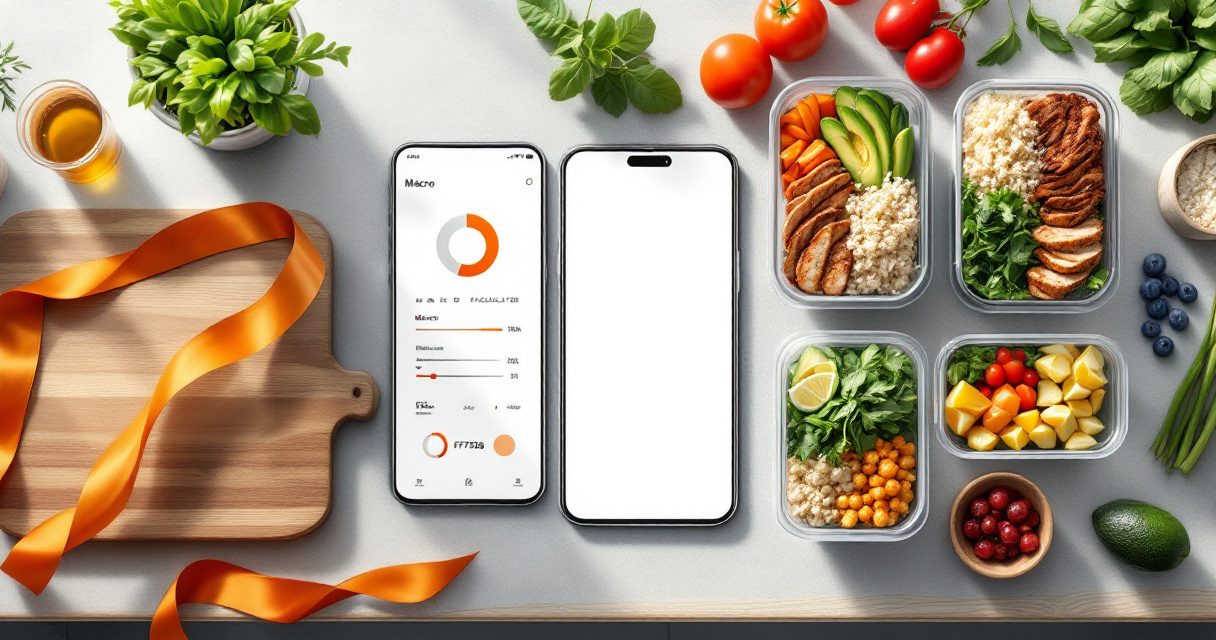
A macro calculator meal plan closes the gap between knowing your numbers and knowing what to eat on Monday night. Macro calculators estimate daily calories, protein, carbohydrates, and fat, but most people still need meals, portions, groceries, and repeatable prep. Dinecraft helps solve that execution step by building weekly plans around your targets, preferences, and validated nutrition data.
What is a macro calculator meal plan?
A macro calculator meal plan is a weekly eating plan built from calorie and macronutrient targets rather than vague "healthy eating" rules. It converts daily protein, carbohydrate, and fat goals into specific meals, recipes, portions, and shopping lists so your nutrition plan becomes easier to follow.
Macro calculator meal plan: a food plan that turns calorie, protein, carb, and fat targets into meals you can cook, prep, and track.
Meal preparation, often called meal prep, means planning and preparing meals ahead of time, usually for several days of eating. A macro-based plan adds a precision layer: each meal has a job, such as delivering 35 grams of protein at lunch or keeping dinner lower in fat.
Key insight: macro numbers are not a meal plan until they are assigned to real meals, repeatable portions, and foods you actually like.
How macro planning differs from simple calorie counting
Calorie counting answers "how much energy?" Macro planning answers "what kind of energy?" That matters because two meals can have the same calories while giving very different amounts of protein, carbs, and fat.
Research guidelines for metabolic health and diabetes nutrition often emphasize structured eating patterns, medication timing, and individualized intake planning. For example, the 2021 practical guidelines on Diabetes and Ramadan, published in Diabetes Research and Clinical Practice, address nutrition planning during fasting periods and clinical risk management in the full guideline.
How do you turn macro targets into meals?
Turn macro targets into meals by dividing your daily calories, protein, carbs, and fat across breakfast, lunch, dinner, and snacks, then choosing recipes that fit each slot. Start with protein, assign carbs around activity, use fats for satiety, and leave a small buffer for label differences.
- Set your daily calorie and macro targets.
- Choose 3 to 5 eating occasions per day.
- Divide protein evenly across meals.
- Put more carbs near workouts or active hours.
- Add fats where you need fullness and flavor.
- Build meals from repeatable recipes.
- Check the full day before grocery shopping.
Example macro splits by daily goal
| Goal | Daily target example | Meal structure | Best use case |
|---|---|---|---|
| Fat loss | 1,800 calories, high protein | 3 meals plus 1 snack | Better hunger control while dieting |
| Maintenance | 2,200 calories, balanced macros | 3 meals plus flexible snack | Stable weight and routine eating |
| Muscle gain | 2,800 calories, higher carbs | 4 meals plus post-workout snack | Training fuel and easier calorie surplus |
These are examples, not medical prescriptions. Your body size, training, appetite, medical needs, and schedule all change the right plan.
For a practical template, pair a lean protein, fiber-rich carb, colorful produce, and measured fat at each main meal. A macro-friendly lunch might look like the grilled chicken quinoa power bowl, because it combines protein, complex carbohydrates, and vegetables in one trackable plate.
A simple per-meal macro allocation
If your target is 2,000 calories with 150 grams of protein, 200 grams of carbs, and 67 grams of fat, you could divide it like this:
- Breakfast: 35g protein, 45g carbs, 15g fat
- Lunch: 40g protein, 55g carbs, 18g fat
- Dinner: 45g protein, 65g carbs, 22g fat
- Snack: 30g protein, 35g carbs, 12g fat
Small adjustments are normal. A meal does not need to hit every number perfectly if the full day lands close.
What should you eat to hit protein, carbs, and fat?
Eat protein at every meal, choose carbs based on energy needs, and use fats intentionally for taste and fullness. The best macro meals are simple combinations of lean proteins, starches or fruit, vegetables, and measured fat sources that can be repeated without boredom.
A useful plate formula is:
- Protein: chicken, fish, eggs, Greek yogurt, tofu, beans, lentils
- Carbs: rice, oats, potatoes, quinoa, pasta, fruit, whole-grain bread
- Fats: olive oil, avocado, nuts, seeds, cheese, whole eggs
- Volume foods: leafy greens, broccoli, cucumbers, peppers, mushrooms
Plant-based substitutions deserve extra care because nutrition varies widely. A 2021 review in Nutrients examined plant-based beverages used instead of cow's milk and covered differences in nutritional composition across beverage types. That is a good reminder to check labels instead of assuming swaps are equal.
Macro-friendly meal ideas by eating style
| Eating style | Meal idea | Macro planning note |
|---|---|---|
| High-protein omnivore | Chicken, quinoa, roasted vegetables | Easy protein control with flexible carbs |
| Mediterranean | Lentils, feta, grains, greens | Strong fiber, moderate protein, satisfying fats |
| Pescatarian | Salmon, rice, broccoli, cucumber | Higher fat protein, so measure added oils |
| Lower-carb | Lettuce cups with ground chicken | Add carbs only if training demands them |
The Mediterranean lentil feta grain bowl works well when you want fiber and plant-forward meals. For higher-protein dinners, the gochujang honey glazed salmon with rice and broccoli shows how a flavorful recipe can still fit macro planning.
When does macro accuracy matter most?
Macro accuracy matters most when your goal has a narrow margin: competition prep, weight-class sports, clinical nutrition, fat loss plateaus, or muscle gain with controlled body-fat gain. For general health or family dinners, consistency and meal quality often matter more than perfect gram-by-gram tracking.
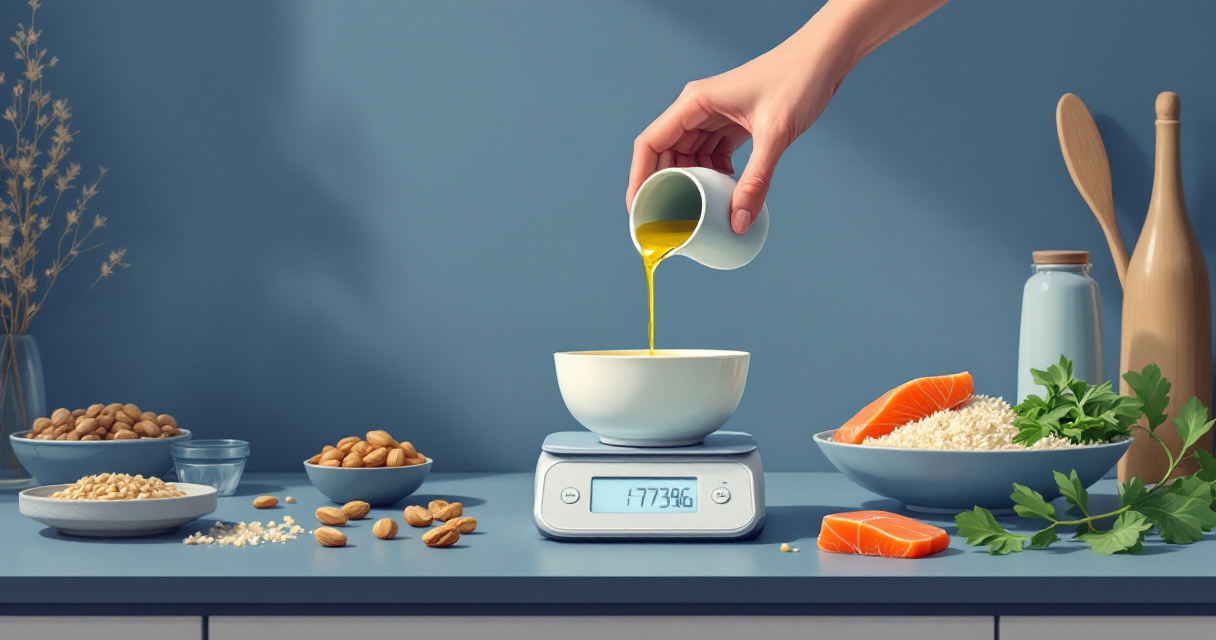
Precision has tradeoffs. Weighing every ingredient can improve accuracy, but it can also make meals feel like a chore. The better approach is to match tracking effort to the goal.
Use high precision when the outcome depends on small differences. Use flexible structure when adherence matters more than exact numbers.
Accuracy levels for different users
| User type | Tracking detail | Practical target |
|---|---|---|
| Busy family | Recipe-level estimates | Repeatable dinners and grocery control |
| Fat-loss dieter | Portion tracking most days | Weekly calorie consistency |
| Athlete | Weighed staples and planned snacks | Protein and carb timing around training |
| Clinical user | Professional guidance | Safety, medication fit, and individualized needs |
Guidelines on lipid disorders published in Archives of Medical Science discuss nutrition and lifestyle therapy as part of cardiovascular risk management within broader clinical recommendations. If you have diabetes, kidney disease, lipid disorders, pregnancy needs, or a history of disordered eating, work with a qualified clinician before using strict macro targets.
How Dinecraft handles macro-based weekly planning
Dinecraft turns calorie and macro targets into weekly meal prep plans with personalized recipes, USDA-validated nutrition data, allergen-aware options, and aisle-sorted shopping lists. The Dinecraft platform is designed for both casual family meal planning and precise macro-focused planning, so you can choose the level of structure that fits your life.
Unlike generic sample menus, a good planning system should connect targets, recipes, ingredients, and groceries. That reduces the daily decision load and helps you repeat meals that work.
Visit dinecraft.app when you want your plan created around your own targets rather than a static template.
Macro meal planning tools compared
| Tool type | Strength | Limitation |
|---|---|---|
| Basic macro calculator | Fast target estimate | Does not tell you what to cook |
| Static sample menu | Easy starting point | Usually not personalized |
| Recipe database | Good inspiration | Requires manual macro matching |
| AI meal planner | Connects targets to meals and shopping | Quality depends on nutrition validation |
Competitor pages such as Strongr Fastr and Eat This Much focus on automated meal generation, while Reddit discussions often mention tools like Meal Prep Pro for macros, grocery lists, and prep instructions. The stronger 2026 standard is not just automation; it is validated nutrition, flexible preferences, and a plan that survives a real week.
FAQ
Can a macro calculator create a full meal plan?
A macro calculator can estimate your targets, but it usually cannot create a complete meal plan by itself. You still need recipes, portions, substitutions, and groceries. Pair calculator output with a planner that validates nutrition and builds meals around your schedule.
Should I hit macros exactly every day?
You do not need perfect numbers every day unless your goal requires high precision. Most people do better aiming for close daily protein, steady weekly calories, and reasonable carb and fat ranges. Consistency beats chasing exact grams at every meal.
What is the easiest macro to miss?
Protein is often the easiest macro to miss because many common meals are built around carbs and fats first. Plan protein before choosing sides. Then add carbs for energy and fats for taste, texture, and fullness.
Are macro meal plans good for families?
Macro meal plans can work for families if the base meal is shared and portions change by person. One dinner can serve different goals by adjusting rice, oil, sauce, or protein portions. Dinecraft supports this kind of flexible planning for households that need structure without separate meals.
Conclusion
A macro calculator meal plan works when it turns targets into meals you can repeat, prep, and enjoy. Start with your daily calories, split protein across meals, place carbs where they support energy, and choose recipes with verified nutrition. If you want that process automated, use Dinecraft to generate a weekly plan, recipes, and shopping list, or head to dinecraft.app and build your next week around your actual macros.