How to Make a 7 Day Meal Prep Plan With Macros
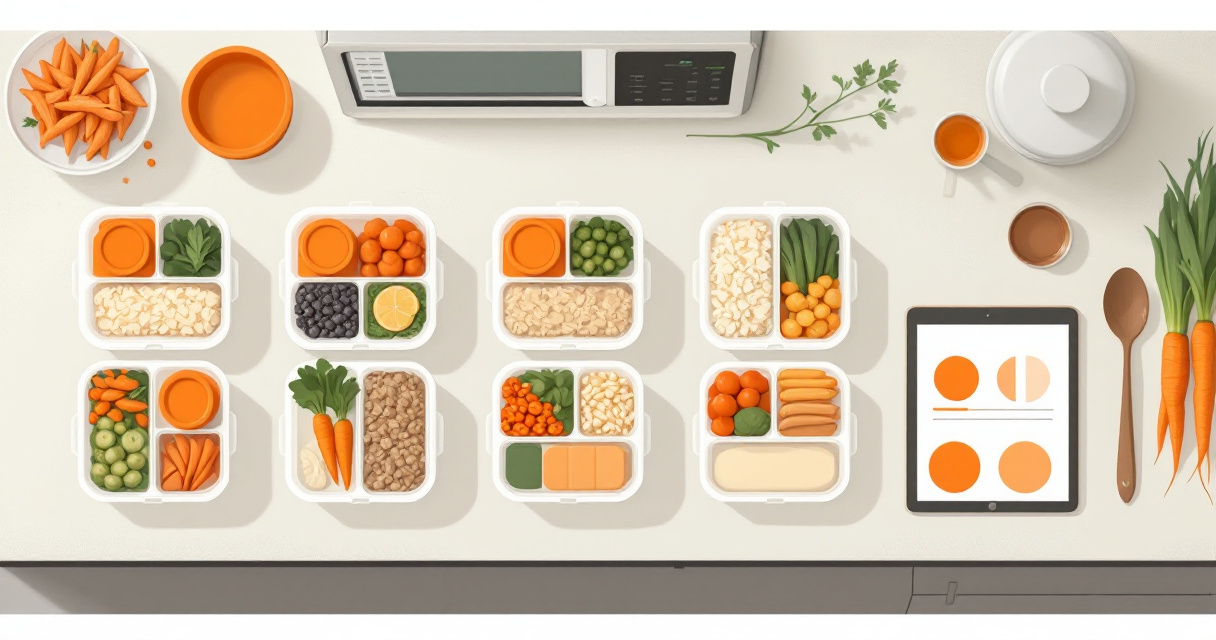
Most macro plans fail before Monday because they start with recipes instead of numbers. If you want to learn how to make a 7 day meal prep plan with macros, start with calorie targets, split protein, carbs, and fat across the week, then choose meals that fit your life. Meal preparation: the process of planning, preparing, and portioning meals ahead of time so they can be eaten throughout the week. Tools like Dinecraft can shorten the math by generating weekly meal plans around calorie and macronutrient targets, using USDA-validated nutrition data and aisle-sorted shopping lists.
What is a 7 day macro meal prep plan?
A 7 day macro meal prep plan is a weekly eating plan that assigns calories, protein, carbohydrates, and fat to each day before meals are cooked or packed. The goal is not perfection; the goal is repeatable accuracy.
Macros: protein, carbohydrates, and fat, the three calorie-providing macronutrients you track to match a nutrition goal.
Macro meal prep: planning meals ahead of time so each day lands close to your target calories and macro split.
Research by Heino, Knittle, and Noone in Behavioral Sciences examined behavior change mechanisms under complexity. For meal prep, that means your plan should reduce decisions, not create a spreadsheet you dread opening.
A useful weekly plan answers four questions: how much you need, what you will eat, when you will cook, and how you will adjust portions.
Core terms to calculate before choosing recipes
- Calories: your daily energy target.
- Protein: your first macro to set, especially for muscle gain, fat loss, or appetite control.
- Carbs: your main training fuel and easiest macro to scale with rice, potatoes, oats, fruit, or bread.
- Fat: your satiety and flavor macro, often adjusted through oils, nuts, eggs, dairy, avocado, and sauces.
- Meal repetition: using the same base meals several times to save prep time and improve tracking accuracy.
How do you make a 7 day meal prep plan with macros?
You make a 7 day meal prep plan with macros by setting daily targets, dividing them across meals, selecting repeatable recipes, scaling portions, and building one shopping list from the final plan.
- Set your daily calorie target. Use your coach, dietitian, app, or established tracking history.
- Choose your macro targets. Decide daily grams for protein, carbs, and fat.
- Pick your meal structure. Choose 3 meals, 4 meals, or 3 meals plus snacks.
- Anchor every day with protein. Place protein in each meal before adding carbs and fats.
- Repeat ingredients strategically. Use chicken, rice, eggs, oats, lentils, salmon, vegetables, or yogurt across multiple meals.
- Scale portions, not entire recipes. Add 50 grams cooked rice or reduce 1 tablespoon oil before replacing the whole meal.
- Batch your shopping list. Combine duplicate ingredients, then sort by aisle or store section.
For recipe inspiration, browse macro-friendly ideas on the Dinecraft recipe collection, then adjust portions to match your exact targets.
Simple macro formula for weekly planning
Use this quick formula before you shop:
- Weekly calories: daily calories x 7
- Weekly protein: daily protein grams x 7
- Weekly carbs: daily carb grams x 7
- Weekly fat: daily fat grams x 7
Example: if your target is 2,200 calories, 170 grams protein, 230 grams carbs, and 70 grams fat per day, your week needs 15,400 calories, 1,190 grams protein, 1,610 grams carbs, and 490 grams fat. That weekly view helps you buy enough food without over-prepping.
How should you distribute macros across meals?
Macros should be distributed by priority: protein evenly across meals, carbohydrates around training and busy hours, and fat where it improves satisfaction without crowding out protein or carbs. The best split is the one you can repeat for seven days.
Start with protein because it is harder to "make up" at night without overshooting calories. Then assign carbs based on energy needs. Place more carbs near workouts, long work blocks, school pickups, or sports practices.
Fat works well in breakfast, sauces, dressings, nuts, olive oil, salmon, eggs, and dairy. Measure it carefully because small additions can change calories fast.
Macro distribution table for a 4-meal day
| Meal | Protein goal | Carb goal | Fat goal | Best prep foods |
|---|---|---|---|---|
| Breakfast | 25 percent | 20 percent | 25 percent | Eggs, Greek yogurt, oats, berries |
| Lunch | 30 percent | 30 percent | 25 percent | Chicken, quinoa, rice, lentils, vegetables |
| Snack | 15 percent | 15 percent | 10 percent | Protein shake, cottage cheese, fruit |
| Dinner | 30 percent | 35 percent | 40 percent | Salmon, lean beef, tofu, potatoes, salad |
Use the table as a template, not a rule. Athletes may push more carbs into pre-workout and post-workout meals. Busy families may prefer larger dinners and simpler lunches.
Meal repetition versus variety
Repetition improves accuracy because fewer ingredients mean fewer logging errors. Variety improves enjoyment and micronutrient range. A strong weekly plan uses both.
- Repeat 2 breakfasts across the week.
- Rotate 2 lunches across the week.
- Plan 3 dinners, with leftovers assigned to lunch or freezer meals.
- Keep 1 flexible meal for eating out, family plans, or appetite changes.
A meal like a grilled chicken quinoa power bowl works well because protein, grains, vegetables, and sauce can each be scaled separately.
What should a practical 7 day prep map look like?
A practical 7 day prep map groups cooking by ingredient, assigns meals by freshness, and leaves room for one flexible adjustment day. You do not need seven unique breakfasts, lunches, and dinners.
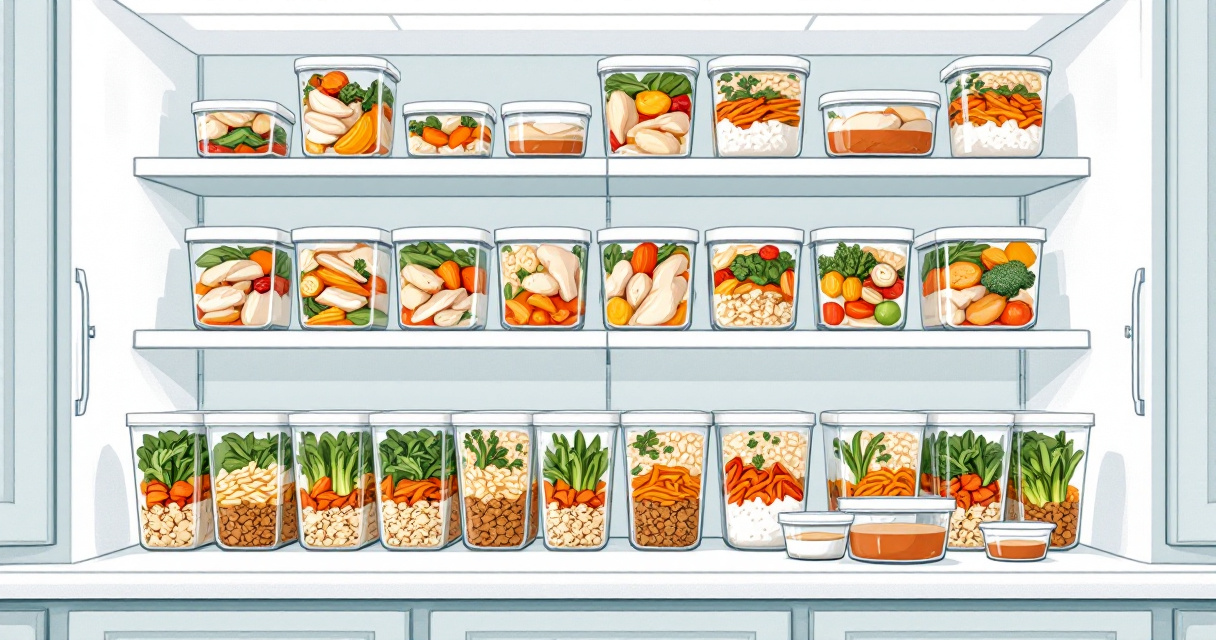
Cook proteins and grains in batches, then assemble meals in different ways. For example, grilled chicken can become a quinoa bowl, lettuce cups, or a rice plate. Lentils can become a grain bowl, soup base, or high-fiber side.
The easiest plan to follow is usually 70 percent planned, 20 percent repeatable, and 10 percent flexible.
Example weekly prep schedule
- Friday: set targets, choose recipes, check pantry staples.
- Saturday: shop by aisle: produce, proteins, grains, dairy, frozen, pantry.
- Sunday: batch cook proteins, grains, roasted vegetables, and sauces.
- Monday to Wednesday: eat freshest meals first, especially fish, greens, and cut fruit.
- Thursday: use freezer portions, pantry meals, or quick-cook protein.
- Friday: use the flexible meal slot and review what was left over.
- Saturday: adjust next week's quantities based on leftovers, hunger, and schedule.
Shopping list logic for fewer mistakes
Build your list from meals, not memory. Group duplicate ingredients so you buy one correct total.
- Proteins: chicken breast, salmon, eggs, Greek yogurt, tofu, lean beef, lentils.
- Carbs: rice, quinoa, oats, potatoes, tortillas, fruit.
- Fats: olive oil, avocado, nut butter, feta, nuts, sauces.
- Volume foods: broccoli, cucumbers, greens, peppers, carrots, berries.
- Flavor: citrus, herbs, spice blends, vinegar, low-sugar marinades.
For a flexible dinner that still tracks cleanly, a gochujang honey glazed salmon meal gives separate protein, rice, vegetable, and sauce components.
How does Dinecraft handle weekly macro planning?
Dinecraft handles weekly macro planning by turning calorie and macro targets into personalized recipes, validated nutrition, and an aisle-sorted shopping list. That matters when you want precision without rebuilding every meal by hand.
The Dinecraft platform supports both casual family planning and precise macro-focused planning, so the same weekly workflow can serve a parent planning dinners and an athlete tracking grams. Its multi-agent pipeline finds, refines, and validates recipes against your targets, then creates ingredients, images, and macros in seconds.
Use Dinecraft when your main challenge is decision fatigue. Head to dinecraft.app when you want the planning step handled before you shop.
When to use an app instead of a spreadsheet
- Use an app if you need allergen-aware meal planning.
- Use an app if you want USDA-validated nutrition instead of rough macro guesses.
- Use an app if your household needs different meals but one combined shopping list.
- Use a spreadsheet if you enjoy manual control and already know your staple meals.
Related articles and recipes can also help you build a personal rotation. Try a high-fiber option like the Mediterranean lentil feta grain bowl when you need a plant-forward lunch that scales well.
FAQ
These quick answers address the common questions people ask before building a weekly macro plan.
How accurate does macro meal prep need to be?
Macro meal prep should be close enough to guide consistent eating, not so strict that it becomes hard to maintain. Many people track cooked weights, repeat meals, and measure calorie-dense foods like oils, nut butters, cheese, and sauces more carefully than vegetables or herbs.
Can I meal prep for macros without eating the same thing daily?
Yes. Use repeated ingredients with different sauces, seasonings, and formats. Chicken, rice, broccoli, and yogurt can become bowls, wraps, salads, or snack plates. The ingredient base stays trackable while the eating experience feels less repetitive.
Should I prep all 7 days at once?
Not always. A split prep works better for freshness. Cook sturdier foods on Sunday, then refresh proteins, greens, or fish midweek. Many people prep 3 to 4 days at once and use freezer meals or quick-cook dinners for the rest.
What is the biggest mistake in macro meal planning?
The biggest mistake is choosing recipes before setting targets. A meal can be healthy and still miss your protein, carb, fat, or calorie goal. Start with numbers, pick meals second, then adjust portions until the day fits.
Conclusion
A 7 day macro plan works when the math comes before the menu: set targets, divide macros by meal, repeat useful ingredients, shop from the final plan, and adjust portions week by week. If you want to make the process faster, use Dinecraft to generate macro-aligned recipes and shopping lists, or visit dinecraft.app before your next grocery run. Your next step is simple: choose tomorrow's calorie and protein target, build one repeatable breakfast, and plan the rest of the week from there.