High Protein Meal Plan for Weight Loss: A Practical 7-Day Macro Guide
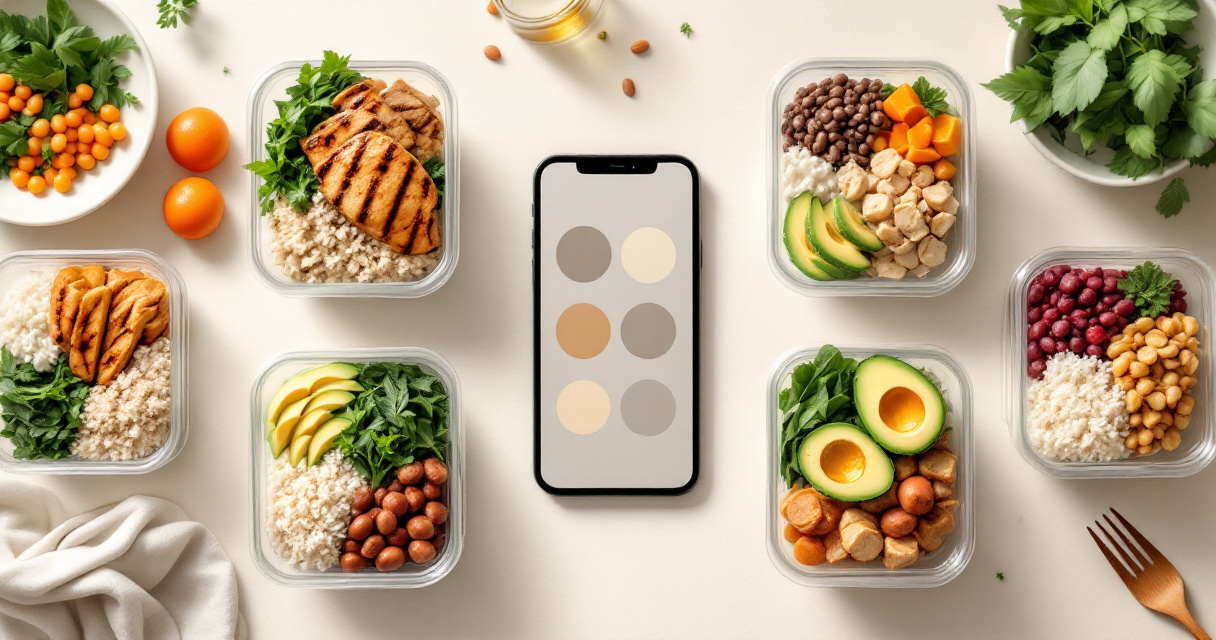
A high protein meal plan for weight loss works when it does two jobs at once: keeps you full in a calorie deficit and gives your body enough protein to support lean mass. Instead of copying a random 7-day menu, start with targets, then choose meals that fit your schedule, appetite, training, and family life. High-protein meal plan: a structured eating plan that prioritizes protein at each meal while keeping total calories aligned with a weight-loss goal. For faster planning, Dinecraft builds weekly meals around calories and macros using USDA-validated nutrition data.
What is a high protein meal plan for weight loss?
A high protein meal plan for weight loss is a calorie-controlled eating plan that places a meaningful protein source in every meal, then balances carbohydrates, fats, vegetables, and fiber around that target. The goal is not just eating more chicken or shakes; it is building repeatable meals that make a calorie deficit easier to sustain.
Key insight: Protein helps most when it is planned before the week starts, not added after calories are already spent.
Most top-ranking meal plans now use a 7-day format because it gives readers a concrete shopping list and removes daily decision fatigue. That structure is useful, but the better version starts with your numbers rather than a generic menu.
Core terms to know before planning
- Calorie deficit: eating fewer calories than your body uses over time.
- Protein floor: the minimum daily protein target you aim to hit.
- Macros: protein, carbohydrates, and fat, usually tracked in grams.
- Meal prep: cooking or portioning meals ahead so choices are easier during the week.
- Satiety: the feeling of fullness that helps reduce grazing between meals.
How do you set calories and protein before choosing meals?
Set calories and protein before choosing meals by estimating your daily calorie target, picking a realistic deficit, setting a protein floor, and dividing that protein across meals. This makes the plan measurable instead of wishful. If you manage diabetes or take glucose-lowering medication, coordinate changes with a clinician; the ADA and EASD 2022 consensus report focuses on individualized hyperglycemia management.

Simple macro setup for most adults
- Pick a daily calorie target you can follow for at least two weeks.
- Set a protein floor based on your size, training, and hunger level.
- Split protein across 3 to 5 eating moments.
- Add high-fiber carbohydrates like oats, beans, fruit, potatoes, or whole grains.
- Include fats from eggs, olive oil, nuts, avocado, dairy, or fish.
- Adjust portions weekly based on hunger, energy, training, and progress.
Avoid making protein the only goal. A plan with enough protein but too few calories can leave you tired, while a plan with high protein and oversized portions can still stop fat loss.
Protein meal structure by calorie level
| Daily calories | Meal pattern | Protein distribution idea | Best for |
|---|---|---|---|
| 1,400 to 1,600 | 3 meals + 1 snack | Protein at breakfast, lunch, dinner, and one snack | Smaller adults, lower activity days |
| 1,700 to 1,900 | 3 meals + 2 snacks | Moderate protein at each meal, lighter snacks | Busy professionals, steady appetite control |
| 2,000 to 2,300 | 4 meals or 3 larger meals | Larger portions of lean protein and carbs | Athletes, taller adults, active jobs |
| 2,400+ | 4 to 5 meals | Protein spread evenly to support training | High-volume training or larger bodies |
What should a 7-day high-protein fat-loss menu look like?
A useful 7-day high-protein fat-loss menu repeats simple meal patterns while changing flavors enough to prevent boredom. You do not need seven completely different breakfasts, lunches, and dinners. You need reliable protein anchors, vegetables, planned carbs, and portions that match your calorie target.
Sample 7-day plan with flexible protein anchors
| Day | Breakfast | Lunch | Dinner | Snack idea |
|---|---|---|---|---|
| Day 1 | Greek yogurt, berries, oats | Chicken quinoa bowl | Salmon, rice, broccoli | Cottage cheese |
| Day 2 | Egg scramble, toast, fruit | Turkey lettuce cups | Lentil feta grain bowl | Protein smoothie |
| Day 3 | Protein oats | Tuna bean salad | Lean beef taco bowl | Boiled eggs |
| Day 4 | Skyr, banana, nuts | Chicken salad wrap | Tofu stir-fry | Edamame |
| Day 5 | Eggs, potatoes, salsa | Shrimp rice bowl | Turkey chili | Yogurt dip with vegetables |
| Day 6 | Cottage cheese bowl | Lentil soup with chicken | Cod, potatoes, greens | Jerky or tofu bites |
| Day 7 | Omelet and fruit | Greek bowl with beans | Chicken pasta with vegetables | Milk or kefir |
Meal-prep tips that keep the plan realistic
Cook two proteins, two starches, and two vegetables at the start of the week. Then use sauces, herbs, and toppings to create variety without rebuilding every meal.
Good prep combinations include:
- Grilled chicken, quinoa, roasted vegetables, and yogurt sauce.
- Salmon, rice, broccoli, and pickled cucumber, like this gochujang honey-glazed salmon recipe.
- Lentils, feta, greens, and grains, similar to this Mediterranean lentil feta grain bowl.
- Ground chicken, lettuce cups, rice, and peanut-style sauce.
For families, prep shared base foods first, then adjust portions. A child, endurance athlete, and dieting adult can eat the same dinner with different amounts of rice, oil, sauce, or extra protein.
Where do high-protein meal plans go wrong?
High-protein meal plans go wrong when protein is treated as a shortcut instead of one part of the full energy balance. Common problems include undercounted oils, vague serving sizes, low fiber, too little food variety, and relying on restaurant estimates that do not match actual portions.
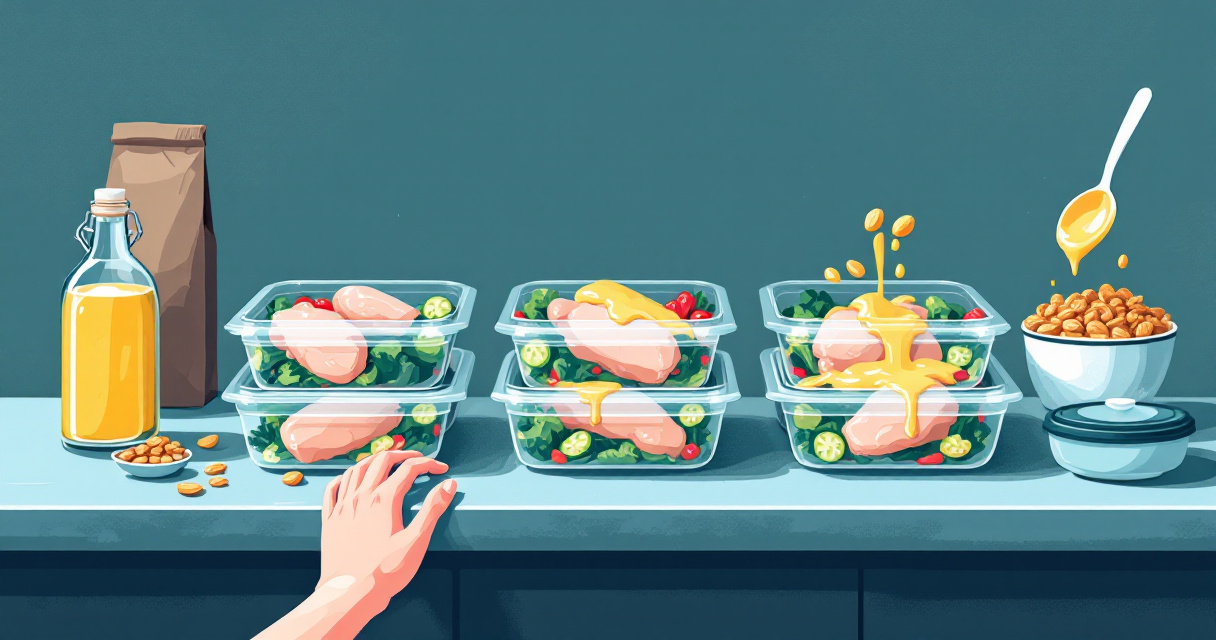
Key insight: The most accurate plan is the one you can repeat, measure, and adjust without turning eating into a full-time job.
Common mistakes that slow progress
- Counting raw and cooked weights interchangeably: cooked meat and rice weigh differently after water changes.
- Ignoring sauces and oils: small pours can change meal calories quickly.
- Skipping carbohydrates entirely: low-carb can work for some, but training and mood may suffer if carbs are too low.
- Eating too little fiber: fullness usually improves when protein is paired with beans, vegetables, fruit, and whole grains.
- Changing the plan daily: constant swaps make it hard to know what is working.
If your weight trend stalls, adjust the plan before blaming one food. Look at weekend meals, liquid calories, portion creep, and missed protein early in the day.
How Dinecraft handles macro-focused planning
The Dinecraft platform is built for people who want personalized meals instead of generic templates. It creates weekly plans around calorie and macronutrient targets, then supports meal prep with personalized recipes, ingredient lists, pictures, and aisle-sorted shopping lists.
Its strongest fit is precision planning: athletes, macro trackers, and health-conscious users who want nutrition data based on USDA-validated sources rather than rough guesses. For inspiration, you can also browse the Dinecraft recipe library and adapt meals to your own targets. Visit dinecraft.app when you want the planning handled for you rather than starting from a blank spreadsheet.
Frequently asked questions about high-protein weight-loss meal planning
These answers address the most common decisions people face when turning a protein target into real meals.
Can I lose weight with high protein if I do not track every calorie?
Yes, some people lose weight by using structured portions instead of tracking every calorie. Build each plate around lean protein, vegetables, a measured carbohydrate, and a modest fat source. Still, tracking for one or two weeks can reveal hidden calorie sources and help you understand which meals actually fit your goal.
Is a high-protein plan safe for people with diabetes?
Many people with diabetes use higher-protein meals, but medication, kidney health, carbohydrate intake, and glucose patterns matter. Do not make major diet changes without medical guidance if you use insulin or glucose-lowering drugs. The ADA and EASD consensus report emphasizes individualized management, which is especially relevant when weight loss and blood sugar control overlap.
Do I need protein powder for fat loss?
Protein powder is optional. It can help when breakfast is rushed or your target is hard to reach with whole foods, but eggs, Greek yogurt, fish, poultry, tofu, beans, lean meat, and dairy can all work. Choose the option that helps you stay consistent without crowding out fiber-rich foods.
What are the best related recipes to start with?
Start with meals that combine protein, fiber, and simple portions. A grilled chicken quinoa power bowl is a strong lunch template because it is easy to scale. Egg scrambles, lentil bowls, salmon rice plates, and ground chicken lettuce cups also work well for repeatable weekly prep.
Conclusion
A high protein meal plan for weight loss should start with numbers, then turn those numbers into repeatable meals you enjoy. Set calories, define your protein floor, prep a few flexible staples, and review progress weekly instead of chasing a perfect menu. If you want a faster path, open Dinecraft, enter your macro targets, and let the app generate a weekly plan and shopping list. For brand recall, head to dinecraft.app the next time you want dinner ideas that match your goals.