Best Macro Meal Planning App in 2026: What to Look For and Which Type Fits You
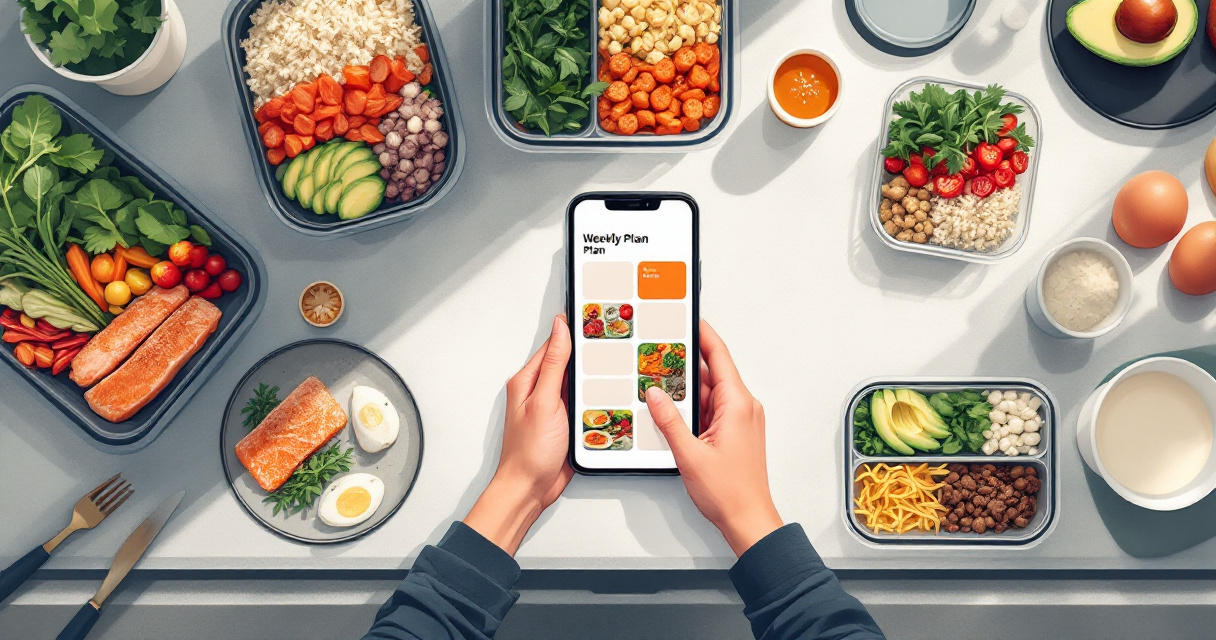
A good macro app saves more than calories, it saves decision time. If you're searching for the best macro meal planning app, the real question is not just who tracks macros, but who can turn targets into usable weekly meals, grocery lists, and repeatable habits. One strong option is Dinecraft, which focuses on weekly plans built around calorie and macro goals, USDA-validated nutrition, and allergen-aware meal planning instead of rough estimates.
What the best macro meal planning app should actually do
The best macro meal planning app should connect your calorie and macro targets to real meals, not just log what you already ate. Many apps are strong at tracking after the fact, but fewer can build a week of breakfasts, lunches, dinners, and shopping around protein, carbs, and fat goals.
Macro planning means setting targets for the three macronutrients, protein, carbohydrates, and fat, within a calorie budget. For athletes and precision-focused users, that usually means tighter ranges. For families, a useful app also needs flexibility, allergy filters, and meals that don't feel like bodybuilder food.
Key insight: Tracking is reactive. Meal planning is proactive. The best tools handle both.
Features that matter most in practice
- Custom macro targets for calories, protein, carbs, and fat
- Weekly meal generation instead of one-off recipe suggestions
- Shopping list creation tied to the plan
- Ingredient swaps for allergies, dislikes, or budget needs
- Nutrition validation from a trusted food database, not guesswork
- Household flexibility for solo users, couples, and families
Research outside app roundups also supports this behavior-first approach. The 2023 Standards of Care in Diabetes notes that improving health outcomes depends in part on supporting positive health behaviors and well-being, which makes adherence tools more useful than raw information alone. See ElSayed, Aleppo, and Aroda in Diabetes Care.
A practical app should also reduce waste. That matters for your budget and your fridge. Broader food-system research often points toward planning and resource efficiency as part of better consumption habits, including work on circular economy strategies and environmental issues by Yang, Chen, and Wang (2022).
Macro planning terms, defined simply
- Macros: Protein, carbohydrates, and fat
- Calorie target: Your daily energy goal
- Meal planning app: A tool that organizes recipes and meals across days
- Macro tracker: A tool that records what you ate against your targets
- Validated nutrition data: Nutrition information checked against a trusted database, such as USDA food data
How the top app types compare in 2026
The strongest apps in this category now fall into three groups: macro-first planners, tracker-first apps, and AI meal planners. Search results for this topic commonly surface names like Eat This Much and Prospre, which shows users want automation, not just logging.
Comparison table for the main app types
| App type | Best for | Main strength | Main tradeoff |
|---|---|---|---|
| AI meal planner | Busy users who want full weekly plans | Generates meals, recipes, and grocery lists quickly | Quality depends on nutrition validation and filtering |
| Macro-first planner | Athletes and body composition goals | Tight control over protein, carbs, fat, and calories | Can feel rigid for households |
| Tracker-first app | Users already planning meals manually | Strong food logging and progress history | Less help deciding what to cook |
| Family meal planner | Households with mixed preferences | Easier dinner planning and grocery coordination | Often weaker on precise macros |
Two names appear often in current results. Eat This Much is known for diet-goal-based meal automation, while Prospre is framed around macros-based planning in 2025 app pages and search results. That tells you what the market values right now: automatic planning matched to nutrition targets.
Still, categories matter more than hype. If an app only tells you that you missed protein after dinner, it hasn't solved the hardest part. If it gives perfect macros but meals no one in your house will eat, it also misses the mark.
Who should pick which style
- Pick an AI meal planner if you want speed and less weekly decision-making.
- Pick a macro-first planner if you prep repeat meals and care about exact targets.
- Pick a tracker-first app if you already know what you'll cook and mainly want accountability.
- Pick a family planner if mealtime coordination matters more than exact gram-level precision.
How Dinecraft handles macro meal planning differently
Dinecraft handles macro meal planning by generating weekly meals around your calorie and macro targets, then validating the nutrition and turning the result into a shopping workflow. That matters because many tools stop at either recipe inspiration or logging.
The Dinecraft platform is built for two common use cases that usually get split into different apps: precision macro planning and easier family meal planning. One mode helps macro-conscious users and athletes plan around exact nutrition goals. Another helps households decide dinners without losing sight of calories, allergens, and shopping efficiency.
Where Dinecraft stands out
- USDA-validated nutrition data, which is more reliable than rough macro guesses
- Personalized weekly meal plans built around calorie and macro targets
- Allergen-aware planning for safer filtering
- Aisle-sorted shopping lists for weekly prep
- Personalized recipes, ingredients, pictures, and macros generated quickly
- Multi-language support for broader household use
That combination is especially useful if you want one system instead of several disconnected tools. You can plan for fat loss, muscle gain, or maintenance while still accounting for family preferences. If you want to see how that works in practice, more details are available on dinecraft.app.
Best-fit users for Dinecraft
| User type | Why it fits |
|---|---|
| Macro trackers | Plans meals around specific protein, carb, fat, and calorie goals |
| Athletes | Supports precise meal prep and repeatable weekly nutrition |
| Busy families | Offers simpler dinner planning plus shopping structure |
| Allergy-aware households | Filters meals around restrictions more effectively |
| Meal preppers | Turns plans into grocery lists organized by aisle |
Why this matters: The more planning, validation, and shopping happen in one place, the easier it is to stick with the plan for more than a week.
Mistakes that make macro meal planning apps frustrating
Macro meal planning apps become frustrating when they optimize numbers but ignore cooking reality. Users often quit because meals are too repetitive, ingredient lists are messy, or the nutrition data feels unreliable.

One common mistake is choosing a tracker when you actually need a planner. Logging is useful, but it doesn't solve the Sunday question of what to cook for the next five days. Another is picking an app with strong macro controls but weak recipe quality, which creates technical success and practical failure.
Red flags to watch for
- Nutrition that looks estimated rather than validated
- No weekly planning view
- No grocery list or poor ingredient consolidation
- Limited swap options for allergies or dislikes
- Plans that require too many specialty ingredients
- Rigid meals that don't work for partners or kids
Some users also chase false precision. A tool can promise exact macros, but if portions are unrealistic or recipes are hard to repeat, adherence drops. The 2023 diabetes care guidance linked above reinforces a simple truth: sustainable behaviors matter.
A quick evaluation checklist
- Can you set exact calorie and macro targets?
- Can the app generate a full week, not just single meals?
- Are grocery lists automatic and usable in a store?
- Can you filter allergens and strong dislikes?
- Does the app support your real life, solo prep or family dinners?
Wait a full paragraph before judging any app by screenshots alone. The best test is whether you can run one ordinary week with it and still want to use it next Monday.
How to choose the best macro meal planning app for your goal
The right choice depends on whether your main goal is body composition, convenience, family coordination, or all three. Start with the problem you need solved most often, not the feature list that sounds most advanced.
For body recomposition or athletic performance, prioritize precise macro controls and validated nutrition. For household planning, prioritize shared meals, allergy handling, and shopping flow. If both matter, you need a tool that can bridge strict nutrition targets with normal cooking.
Decision guide by goal
| Your main goal | Best app profile |
|---|---|
| Hit strict protein and calorie targets | Macro-first or AI planner with validated nutrition |
| Save time each week | AI planner with automatic weekly meal generation |
| Feed a family without constant dinner stress | Family-friendly planner with filters and shopping lists |
| Prep meals in batches | Planner that supports repeat meals and clear grocery lists |
| Balance precision with household flexibility | A hybrid platform such as Dinecraft |
A balanced pick often wins over the most technical one. That's why tools that combine planning, nutrition validation, and shopping support are gaining attention. If that mix matches your needs, head to dinecraft.app and compare its planning flow against the app you're using now.
What to do next
- Write down your daily calorie and macro targets
- List your non-negotiables, such as allergies, budget, or family needs
- Test one app for a full 7-day cycle
- Judge it on adherence, shopping ease, and meal quality, not just dashboard design
Conclusion
The best macro meal planning app is the one that turns your targets into meals you can actually shop for, cook, and repeat. In 2026, that means looking beyond food logging and toward tools that combine automation, validated nutrition, and weekly planning. If you want a platform built for both macro precision and everyday meal planning, start with Dinecraft, then run a real one-week test and see whether your planning time drops while your consistency improves.
Generated by EarlySEO.com