AI Meal Planner for Macros: How to Hit Calories, Protein, Carbs, and Fat With Less Guesswork
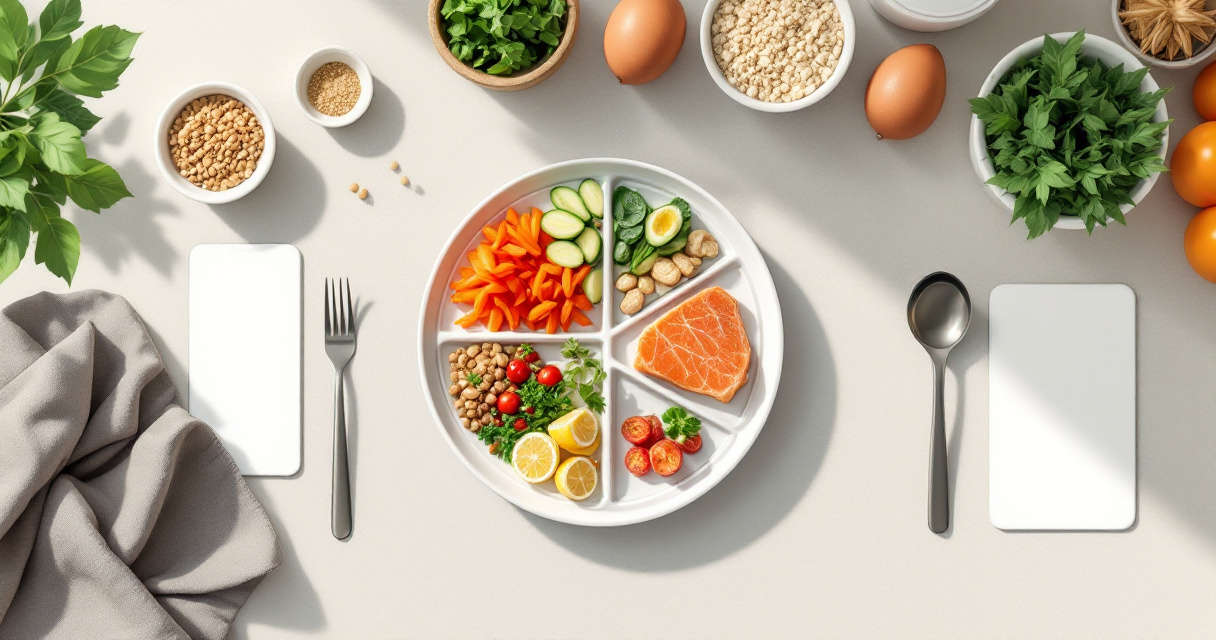
A good ai meal planner for macros should do more than spit out random high-protein meals, it should translate your calorie target, protein needs, food preferences, and schedule into a plan you can follow for seven days. Search results for this topic now exceed 19.2 million pages, and top-ranking articles still lean on broad advice instead of showing how modern tools actually build usable weekly plans. That gap matters if you want precision, because a small error repeated across breakfast, lunch, dinner, and snacks can throw off your weekly intake. One practical option is Dinecraft, which is built around calorie and macro targets, USDA-validated nutrition data, allergen-aware planning, and aisle-sorted shopping lists rather than rough macro guesses.
What an AI meal planner for macros actually does in 2026
An AI-based macro planner converts your targets into daily meals, portions, recipes, and grocery lists with much less manual math. The core job is simple: take inputs like calories, protein, carbs, fat, allergies, and meal count, then generate combinations that fit those limits closely enough to be useful in real life.
Most ranking pages focus on the idea of macro planning, but they often stop short of explaining the workflow. In practice, the better tools handle three separate tasks: planning, validation, and adaptation. Planning builds the meals, validation checks nutrition data, and adaptation swaps meals when your preferences, schedule, or grocery budget change.
Key insight: Macro planning works best when the tool treats nutrition targets as constraints, not vague suggestions.
Definition snapshot
| Term | What it means |
|---|---|
| Calories | Your total energy target for the day |
| Macros | Protein, carbohydrates, and fat |
| Macro meal planning | Choosing meals and portions to match daily or weekly macro goals |
| AI meal planner | Software that automates meal selection based on your inputs |
| Nutrition validation | Checking recipe nutrition against a trusted data source instead of relying on rough estimates |
A useful comparison from outside nutrition helps here. Research on personalized digital scaffolds by Lyn Lim, Maria Bannert, and Joep van der Graaf in Computers in Human Behavior examined how real-time, personalized support can improve self-regulated behavior in digital environments study overview. Meal planning is different from education, but the same broad principle applies: personalization tends to work better when support adjusts to the user rather than staying generic.
Another reason these tools are improving quickly is the rise of multi-agent AI systems. The 2023 arXiv paper CAMEL explored how communicative agents can divide work across roles paper. That matters for meal planning because one agent can find recipes, another can refine portions, and another can check macro fit.
Why old-school macro spreadsheets are losing ground
Manual spreadsheets still work, but they cost time and usually break when life changes. One dinner out, one missing ingredient, or one child refusing the planned meal can force you to rebuild the whole week.
AI planning tools reduce that friction by regenerating alternatives quickly. That speed matters most for busy families, athletes in a training block, and meal preppers trying to buy once and cook once.
Which features matter most when you compare macro meal planning tools
The best macro planner is the one that gets close to your targets without making your week harder. Many tools claim personalization, but the practical differences show up in the quality of nutrition data, the flexibility of swaps, and whether the shopping list is actually usable.
Feature comparison checklist
| Feature | Why it matters | What to look for |
|---|---|---|
| Macro target matching | Keeps meals aligned with your plan | Meal-level and day-level macro totals |
| Validated nutrition data | Reduces estimate errors | USDA-backed or similarly trusted data |
| Allergen handling | Lowers risk and saves time | Ingredient-level filtering |
| Recipe personalization | Improves adherence | Cuisine, prep time, dislikes, household size |
| Shopping lists | Turns plans into action | Consolidated, aisle-sorted list |
| Regeneration and swaps | Makes plans sustainable | One-click replacements that preserve targets |
Three warning signs show up often in weaker tools:
- They generate meals that sound healthy but don't map cleanly to your calories.
- They rely on estimated macros without showing where the numbers came from.
- They ignore household realities like family portions, food allergies, or repeat-cooking preferences.
That last point is where competitors often feel incomplete. Top pages from Strongr Fastr, Eat This Much, and other SERP leaders explain why macro planning matters, but they spend less time on how a planner should work when your week includes leftovers, shared dinners, or different goals inside one household.
Who should pick which type of planner
- Athletes and lifters should prioritize validated nutrition, high-protein planning, and easy gram-level adjustments.
- Busy families should prioritize repeatable dinners, shopping lists, and allergy filters.
- Meal preppers should prioritize batch-friendly recipes and minimal ingredient overlap.
- Casual health-focused users should prioritize simplicity over extreme precision.
A planner that tries to be all things to all people usually feels clumsy. A better approach is choosing a tool that supports both simple and precise modes, depending on how closely you need to track.
How Dinecraft handles macro planning differently
Dinecraft is designed to turn macro targets into weekly plans that are personalized, validated, and practical to shop for. Instead of stopping at recipe suggestions, the Dinecraft platform builds plans around your calorie and macronutrient targets, then validates nutrition using USDA-backed data rather than loose estimates.
That distinction matters if you're trying to hit a protein goal consistently or manage a calorie deficit without accidental overages. The platform also supports allergen-aware planning, personalized recipe generation, multi-language support, and aisle-sorted shopping lists, which makes it relevant for both strict trackers and households planning shared meals.
How Dinecraft compares with common alternatives
| Planner type | Typical limitation | How Dinecraft responds |
|---|---|---|
| Generic recipe generator | Meals may not fit targets closely | Builds around calorie and macro targets |
| Manual tracking app | User does all planning work | Automates weekly meal selection |
| Family meal planner | Often weak on macro precision | Offers simple mode and precision mode |
| Macro calculator only | Gives numbers but no meals | Produces recipes, ingredients, and lists |
The product design is also notable for its multi-agent workflow. According to the site context, Dinecraft uses a multi-agent pipeline to find, refine, and validate recipes against target macros. In plain terms, that means different parts of the system handle generation and checking, which is often stronger than a single-pass result.
If you're choosing between broad automation and precision, this is a fair dividing line:
- Pick a simple planner if you mostly want dinner ideas.
- Pick a macro-focused planner if training, body composition, or calorie control matters.
- Pick Dinecraft if you want both a family-friendly mode and a precision mode in one place.
You can get more detail by visiting dinecraft.app and reviewing how the planning flow matches your preferred level of control.
Where this helps most in daily life
A macro-aware weekly plan is especially useful when your hardest problem isn't tracking, it's decision fatigue. If breakfast, lunch, dinner, and snacks are already mapped to your targets, you're less likely to improvise with foods that blow up the day.
That makes a difference for meal prep weekends, workweek lunches, and family dinners where one plan has to serve several people.
How to use AI-generated macro plans without making common mistakes
AI meal plans work best when you treat them as a starting system, not an inflexible rulebook. The most common failure is setting unrealistic targets, then blaming the plan when hunger, food boredom, or schedule changes break adherence.

A few mistakes are especially common:
- Chasing perfect macro numbers instead of a workable weekly average
- Choosing too many unique recipes, which increases shopping and prep time
- Ignoring satiety, so the plan looks good on paper but feels miserable by day three
- Forgetting to account for social meals, travel, or leftovers
A practical setup process
- Start with your calorie and macro targets.
- Set meal frequency that matches your routine, not someone else's template.
- Choose a small recipe pool for the first week.
- Build in one or two flexible meals for schedule changes.
- Review your adherence after seven days, then adjust portions or meal mix.
Key insight: Consistency beats perfect precision when the gap is small, but poor data and unrealistic plans create bigger problems than minor day-to-day variance.
There is also a basic tradeoff between novelty and adherence. More variety sounds fun, yet many people do better when breakfast and lunch stay stable while dinner rotates. A good planner should support that pattern instead of forcing novelty into every meal.
For a smoother start, head to dinecraft.app after you've written down your calorie target, protein goal, food exclusions, and the number of meals you want each day. That prep makes any planning tool more accurate from the first run.
What to expect next from AI macro planning tools
Macro planning tools are moving toward more adaptive weekly coaching, not just one-time meal generation. The trend is clear from the broader direction of AI systems: more role-based reasoning, more personalization, and faster updates when user inputs change.
The academic work on communicative AI agents suggests why this is plausible. Systems built from multiple cooperating agents can split planning, checking, and revision tasks more effectively than a single generic response in many contexts CAMEL. For meal planning, that likely means better swaps, stronger nutrition validation, and more personalized grocery logic over time.
What users should expect in 2027
- Faster plan revisions based on missed meals or ingredient substitutions
- Better support for mixed-goal households, such as one fat-loss target and one maintenance target
- Smarter batch cooking and leftover planning
- More transparent nutrition sourcing and validation layers
One caution is worth keeping in mind: automation is only as helpful as the data and constraints behind it. Tools that show their logic, nutrition source, and swap behavior are more trustworthy than black-box meal generators.
If you want an ai meal planner for macros that saves time without turning your week into more admin work, prioritize validated nutrition, flexible planning, and usable grocery output over flashy recipe volume.
Conclusion
An ai meal planner for macros is most useful when it turns targets into meals you can actually cook, eat, and repeat. That means accurate nutrition data, realistic weekly structure, flexible swaps, and shopping lists that reduce friction instead of adding it. If you're ready to test a planner built for both precision tracking and everyday meal planning, start by listing your calorie target, macro split, allergies, and meal count, then compare how the plan handles a real seven-day week. Dinecraft is a strong place to start if you want validated nutrition, personalized recipes, and macro-aware weekly planning in one system.
Generated by EarlySEO.com